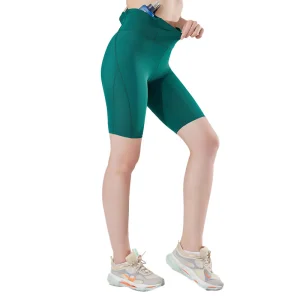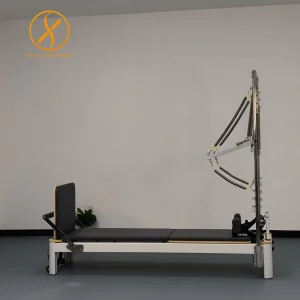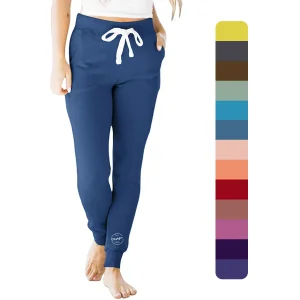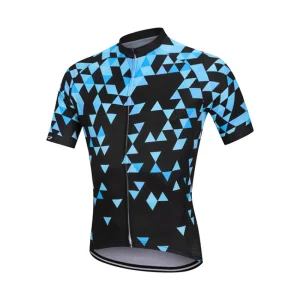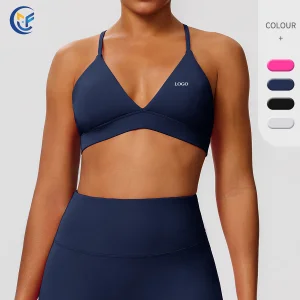
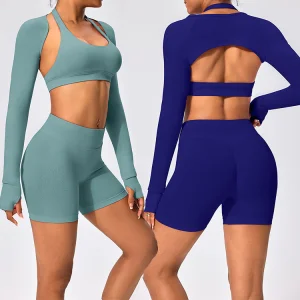
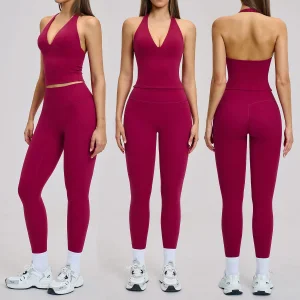
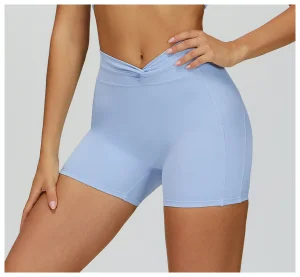
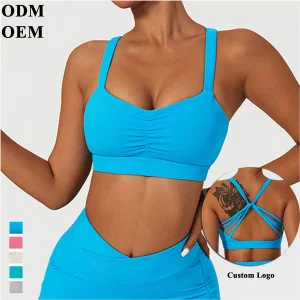
Guangzhou ModaLift Fashion Co., Ltd. is a premier China-based manufacturer specializing in high-performance running and sports wear, breathable fitness apparel, and advanced cycling clothing. Located in the vibrant manufacturing hub of Guangzhou, ModaLift integrates industry-leading technical fabrics with modern design to deliver activewear that supports comfort, performance, and durability for athletes and fitness enthusiasts worldwide.
At the core of ModaLift's offerings are breathable, moisture-wicking garments engineered to enhance athletic performance across diverse environments. Whether it's long-distance running, indoor training, outdoor cycling, or high-intensity workouts, each product is developed with a precise focus on fit, stretchability, ventilation, and ergonomic movement. The company's R&D team works closely with fabric specialists to select materials that provide optimal airflow, quick drying, thermal regulation, and lightweight resilience—ensuring wearers stay cool, dry, and comfortable during every session.
Guangzhou ModaLift Fashion serves a global client base, offering OEM and ODM services, custom performance wear solutions, and personalized branding options for sports teams, retailers, and fitness brands. With strict quality control systems, ethical production practices, and an agile supply chain, ModaLift is committed to delivering excellence from prototype to finished product. Driven by innovation and customer satisfaction, Guangzhou ModaLift Fashion Co., Ltd. continues to elevate active lifestyle apparel with functional, stylish, and durable sportswear solutions.

The global compression athletic wear market has evolved from a niche category used primarily by elite runners and medical patients to a multi-billion dollar cornerstone of the global athleisure and high-performance sports industry. As consumer awareness regarding muscle support, oxygen circulation, and recovery acceleration increases, the demand for high-end compression workout tights has reached unprecedented heights. B2B buyers—ranging from established sports brands to private label startups—increasingly look to specialized manufacturers capable of translating technical specifications into highly durable consumer products.
China continues to sit at the center of this industry, acting as the primary manufacturing engine for advanced compression gear. The integration of advanced polymer chemistry, computerized seamless knitting, and localized clusters like Guangzhou enables factories to scale production while keeping precision and consistency intact. By leveraging local industrial bases, factories like Guangzhou ModaLift Fashion Co., Ltd. can source high-performance nylon, polyester, and elastane blends that meet rigorous global testing guidelines, giving brand partners a decisive competitive advantage in terms of cost-effectiveness and innovation speed.
Modern consumers demand graduated compression profiles that apply targeted pressure zones (highest at the ankle, decreasing up the leg) to maximize venous return, control muscle oscillations, and minimize fatigue during strenuous exercises.
Global eco-conscious regulations and green consumerism are driving a massive shift toward bio-based elastomers and recycled nylon derived from ocean plastics (e.g., ECONYL), reducing carbon footprints without compromising stretch recovery.
Integrating heat-responsive phase change materials (PCMs) and infrared-reflecting minerals into the core fibers enables fabrics to adapt to ambient temperatures, actively keeping muscles warm in winter and cool during summer heatwaves.
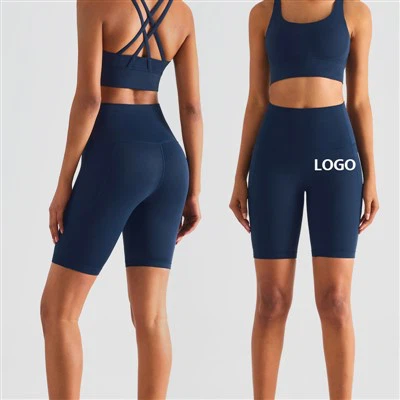
Creating compression tights that maintain structural integrity through dozens of wash-and-wear cycles requires strict material engineering. By using four-way stretch interlock fabrics, which incorporate high-denier spandex covered with texturized micro-nylon, manufacturers prevent fabric "grinning"—the white, shiny lines that appear when low-quality stretch material is overextended. The result is a smooth, squat-proof, and highly supportive garment.
Additionally, moisture-wicking and quick-drying capabilities are built directly into the yarn cross-sections rather than added as a temporary surface treatment. The use of non-circular fiber structures (such as X-shaped or clover-leaf configurations) creates capillary channels that draw sweat away from the skin toward the outer surface of the fabric for rapid evaporation. This prevents wet-cling and chafing, keeping the athlete comfortable over hours of high-intensity performance.
Professional Athletics & High-End Running: Tights designed for runners focus on graduated compression to support the calves and hamstrings. This aids blood flow, reduces muscle damage, and prevents post-exercise soreness, making them a staple for marathon runners and track athletes alike.
Gym, Crossfit & High-Intensity Training (HIIT): For high-impact training, tights must offer optimal coverage, reinforced waistbands that stay in place, and flatlock seams to prevent irritation. These features ensure comfort and focus during compound movements like deadlifts, squats, and burpees.
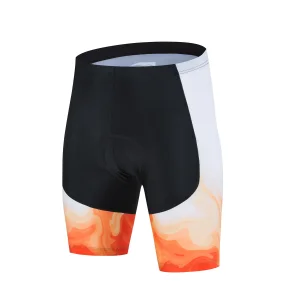
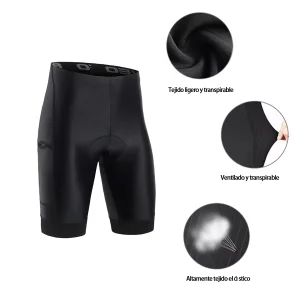
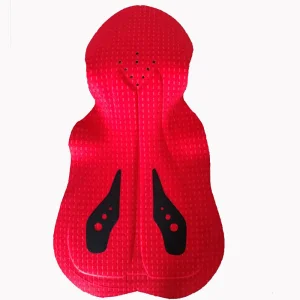
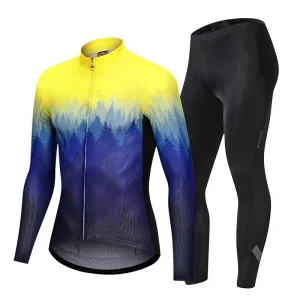
Triathlon & Specialized Cycling: Cycling apparel relies heavily on integrated 3D/4D ergonomic padding, high-performance breathability, and reflective panels. These features safeguard the athlete during long-distance rides while enhancing visibility and safety on open roads.
Widespread adoption of variable-density circular knitting machines. This technology allows manufacturers to program varying compression rates into a single, continuous piece of fabric, eliminating sewn seams entirely in high-friction areas.
Introduction of commercial-grade biodegradable elastanes that break down in landfill environments within years rather than centuries. This innovation enables brands to offer fully recyclable and circular activewear options.
Embedding flexible conductive threads and biosensors within workout tights to track muscle fatigue, sweat composition, and body temperature. This provides athletes with real-time biometric feedback during training sessions.
In the highly competitive sportswear market, B2B procurement managers look for strategic partners who can offer comprehensive supply chain solutions rather than just contract sewing. A modern manufacturing setup must address three critical business concerns: design agility, manufacturing scale, and regulatory compliance. Guangzhou ModaLift Fashion Co., Ltd. addresses these needs through its integrated operations:
The standard MOQ for custom (OEM/ODM) compression tights typically starts at 500 to 1,000 units per style, spread across multiple sizes. This MOQ allows us to order custom-dyed fabrics and configure specialized compression knitting machinery efficiently. For in-stock fabrics or standard colors, MOQs can often be negotiated down to 200–300 units.
We use computerized stretch-testing equipment to measure the elasticity and recovery profiles of every fabric roll before cutting. Additionally, our automated circular and flat knitting machines are calibrated to maintain precise tension controls. Every finished batch undergoes pressure testing (measured in mmHg) to verify that the graduated compression profile meets the specified design criteria.
For high-performance sportswear, we recommend blends containing 70% to 80% Nylon (Polyamide) and 20% to 30% Spandex (Elastane). Nylon offers superior durability and abrasion resistance, while the high spandex content provides the necessary tension and stretch recovery. For sublimation-printed designs, high-density polyester-spandex blends are used to ensure vibrant colors and prevent fading.
Yes, we provide full OEM and ODM services. This includes applying heat-transfer silicone logos, custom woven tags, and custom waistbands. We also offer eco-friendly packaging options, such as compostable bags and FSC-certified paper boxes, tailored to match your brand's visual identity.
The typical sample turnaround time is 7 to 10 days. Once the sample is approved and the deposit is received, bulk production typically takes 30 to 45 days, depending on the order size and fabric availability. Shipping times range from 5 to 7 days by air express to 25 to 35 days by sea freight, depending on your location.
 ModaLift Fashion