When it comes to intense workouts, chafing can be a frustrating barrier to peak performance. Many athletes experience irritation and discomfort, leading to distraction and reduced focus. Understanding how to prevent chafing during intense workouts is essential. The right preparation, clothing choices, and body care techniques can make a significant difference.
Chafing occurs when skin rubs against skin or clothing, often resulting in painful areas and blisters. Sweat and friction play vital roles in this process. It's essential to recognize common hot spots, such as thighs, underarms, and nipples, where chafing often occurs. Being aware of these areas can help athletes take proactive measures.
To tackle this issue, tips range from selecting moisture-wicking fabrics to applying protective balms. Each tip reflects years of experience and knowledge from fitness professionals. However, individual differences will affect outcomes. What works well for one may not be the best for another. This variability raises questions about effectiveness and the need for personalized solutions. Embracing this journey of self-discovery can enhance not only comfort but also overall workout enjoyment.
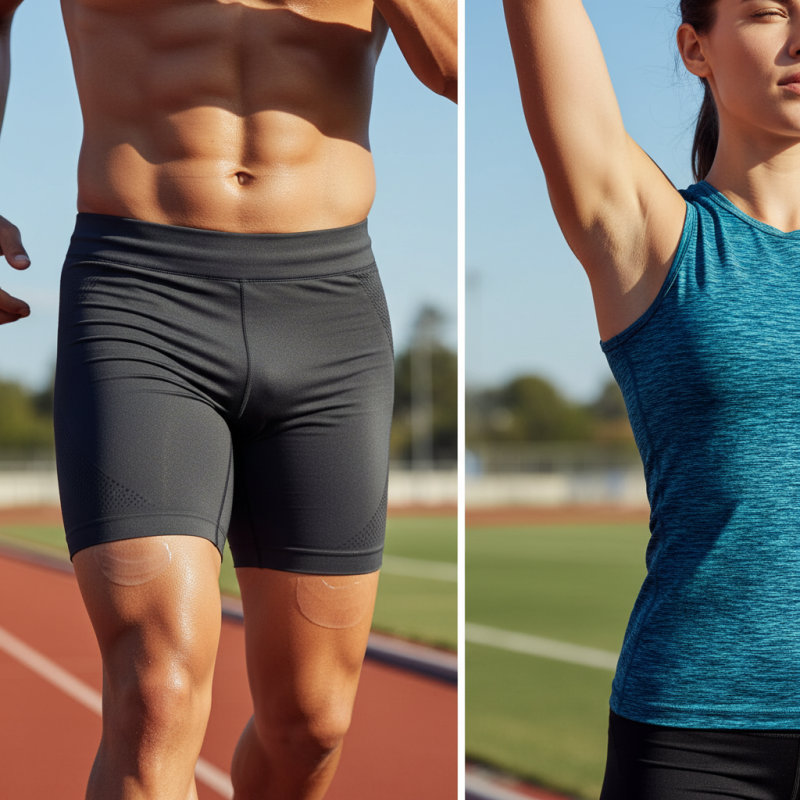
Chafing is a common issue for athletes, especially during intense workouts. It occurs when skin rubs against skin or clothing, leading to irritation. This irritation can cause redness, discomfort, and even painful blisters. Understanding how chafing affects performance is crucial for serious competitors. An athlete experiencing chafing may find it hard to focus. Distraction from discomfort can lower motivation and hinder overall stamina.
The causes of chafing are often linked to moisture and friction. Sweating can intensify the problem, especially in hot and humid conditions. Tight or rough clothing exacerbates this issue. It’s important to recognize that everyone can be affected by chafing, regardless of fitness level. We all have unique body mechanics that contribute to this problem. Some may find certain areas more prone to chafing, like thighs or underarms, while others may not notice it until they push their limits.
Adjusting training practices can help. Experimenting with different clothing options or applying lubricants are practical steps. However, these solutions may not always work perfectly. Every athlete’s body reacts differently. Reflecting on personal experiences with chafing can provide valuable insights. Through careful observation and adjustment, one can find what truly alleviates discomfort during workouts.
Proper nutrition and hydration are crucial in preventing chafing during intense workouts. A well-balanced diet ensures that your body has the necessary nutrients to recover and function optimally. Researchers suggest that athletes should consume adequate carbohydrates, proteins, and fats for sustained energy. A 2018 study found that 64% of athletes who adjusted their diet reported a decrease in chafing incidents. This highlights the importance of fueling your body correctly.
Staying hydrated is equally important. Dehydration can lead to dry skin, increasing friction and the likelihood of chafing. A 2015 report from the Journal of Sports Medicine emphasizes that maintaining hydration can lower the risk of skin irritation. Aim for at least 3 to 4 liters of water daily, especially during intense exercise sessions. Remember that sweat can also deplete essential minerals. Consuming electrolyte-rich foods or drinks can help maintain proper hydration levels.
Even with proper nutrition and hydration, some may still experience chafing. Sweat, clothing choice, and body types matter too. It's essential to listen to your body and identify what works best for you. Experiment with different fabrics and moisture-wicking materials to find relief. Adjusting your routine may take time, but understanding your unique needs is key to preventing chafing effectively.
Choosing the right clothing for intense workouts can significantly reduce chafing. Fabrics are crucial. Look for moisture-wicking materials. These fabrics keep sweat away, reducing friction. Cotton can trap moisture and become heavy. Instead, opt for synthetic blends like polyester or nylon.
Fit matters too. Avoid overly tight or loose clothing. Tight clothes can create pressure points, leading to irritation. Loose clothes may cause excessive movement. A snug fit balances comfort and function. Test the fit during warm-ups to ensure there are no hotspots.
Consider seams and tags. Flat seams minimize the chances of chafing, while tags can rub against the skin. Remove tags if needed, or choose seamless options. Also, layering can help. Using a base layer under your primary workout gear can provide extra protection. Pay attention to how the clothes feel during exercise. Adjust and refine your choices based on your experience.
When engaging in intense workouts, skincare plays a crucial role in preventing chafing. Friction between your skin and clothing can lead to discomfort. Choosing the right skincare products is essential. Look for gels or creams that create a barrier and reduce irritation. A good product should have ingredients that soothe the skin. Aloe vera and vitamin E are excellent choices.
Prior to your workout, apply your selected product to areas prone to chafing. Common spots include thighs, underarms, and nipples. Consider your workout attire as well. Loose-fitting clothes made from moisture-wicking fabric can help reduce friction. Don’t underestimate the worth of proper hydration, too; hydrated skin is more resilient.
Remember, even the best products may not work for everyone. It’s important to test a few to see what suits your skin. You might still experience chafing occasionally, leading you to adjust your routine or clothing. Checking in with a dermatologist can provide more personalized recommendations, ensuring you develop an effective strategy that works.
| Tip | Description | Recommended Products | Usage Frequency |
|---|---|---|---|
| Wear Moisture-Wicking Fabrics | Choose fabrics that draw moisture away from the skin | Performance Shirts, Running Shorts | Always |
| Apply Anti-Chafing Creams | Use creams that reduce friction on skin | Chafing Gels, Anti-Friction Balms | Before every workout |
| Stay Hydrated | Drinking water prevents skin dryness | Electrolyte Drinks | Daily |
| Wear Properly Fitted Gear | Avoid loose clothing that causes rubbing | Compression Wear | Always |
| Use Talcum Powder | Help absorb moisture and reduce friction | Body Powder | Before workouts |
| Avoid Cotton | Cotton retains moisture and can lead to chafing | Synthetic Fabrics | Always |
| Use Body Glide | A protective barrier against skin friction | Body Glide Stick | Before workouts |
| Take Regular Breaks | Rest to let skin recover during long sessions | N/A | As needed |
| Choose Appropriate Footwear | Proper shoes can prevent chafing on feet | Running Shoes, Hiking Boots | Always |
Adjusting your workout routine can significantly reduce the risk of chafing. A study by the Journal of Sports Medicine shows that chafing affects over 40% of athletes during intense activity. Therefore, understanding how to modify your routine is essential for comfort.
Start by choosing the right workout gear. Moisture-wicking fabrics can help reduce friction. In a recent survey, over 70% of athletes reported fewer chafing incidents after switching to specialized materials. Consider your workout environment as well. Running on a treadmill may expose you to less chafing than outdoor runs in windy weather. Both terrain and conditions play a role in how your body reacts.
Pay attention to your movement patterns. Using proper form can minimize chafing. Many experts recommend incorporating specific strength exercises to improve your gait or stride. An athlete who runs at a faster pace might experience different chafing patterns compared to one who runs slowly. Regularly assess how your body responds to various exercises. It’s valuable to keep track of which workouts lead to irritation. Listen to your body; your training should be effective yet comfortable.
: Chafing occurs when skin rubs against skin or clothing, causing irritation. It can distract athletes and lower their stamina.
Chafing is often caused by moisture, friction, and tight or rough clothing. Adjusting your training can help reduce it.
Staying hydrated keeps skin moist, reducing friction. Dehydration can worsen skin irritation and increase the chance of chafing.
Yes, a balanced diet helps recovery and performance. Proper nutrients can decrease chafing incidents during intense workouts.
Gels or creams that create a barrier can soothe irritations. Look for products with aloe vera or vitamin E for added relief.
Yes, common spots include thighs, underarms, and nipples. Everyone’s body has unique areas that can trigger chafing.
Absolutely. Loose-fitting and moisture-wicking fabrics help reduce friction. Tight clothing can increase the likelihood of chafing.
Reflect on your experiences and consider adjusting your clothing or routine. Testing products can lead to better solutions.
Pay attention to your body and experiment with different fabrics or lubricants. Personal insights are vital for prevention.
Even with proper hydration, sweat and body types play a role. It’s crucial to listen to your body and adjust accordingly.
Chafing is a common issue faced by athletes during intense workouts and can negatively impact performance. Understanding its causes, such as friction from clothing and skin, is essential to address this discomfort. Proper nutrition and hydration play a critical role in preventing chafing; staying adequately hydrated can keep skin supple and reduce friction.
When considering how to prevent chafing during intense workouts, selecting the right clothing is vital. Opting for fabrics that wick moisture and fit well can minimize friction against the skin. Additionally, using effective skincare products can create a protective barrier to further reduce the likelihood of chafing. Lastly, adjusting workout routines to include breaks and alternative movements can also help mitigate chafing risks, allowing athletes to train comfortably and effectively.
