Choosing reliable workout clothing suppliers requires more than comparing factory prices or browsing polished product photos. China’s Top 10 Workout Clothing Suppliers should be assessed through fabric performance, production consistency, quality control, and communication. A supplier may offer attractive samples, yet mass production can reveal uneven stitching, weak elastic recovery, or fabric that holds sweat after repeated training.
Odor prevention begins with material selection. Polyester and nylon can dry quickly, but they may retain body oils without proper finishing and washing. Merino wool, blended yarns, mesh panels, and moisture-management fabrics offer different advantages. Antimicrobial treatments may reduce odor, but suppliers should provide test reports and explain durability after washing. Marketing claims alone are not enough. Ask for fabric composition, GSM, colorfastness results, shrinkage data, and odor-control test methods. Small details matter, such as smooth seams around the underarms and breathable panels across the back.
How to prevent odors in workout clothing? The answer involves both manufacturing and daily care. Garments should be washed soon after use, dried fully, and never left damp inside a gym bag. A cold or warm wash may protect fabric, while excessive softener can coat fibers and reduce moisture movement. This point is often overlooked. Even excellent clothing can smell if care instructions are ignored.
The suppliers discussed here are evaluated from a practical sourcing perspective, not from rankings alone. Factory experience, sample revisions, inspection procedures, certifications, and after-sales support all deserve attention. No supplier is perfect. Careful buyers should verify claims, request production samples, and test garments through real workouts before placing large orders.
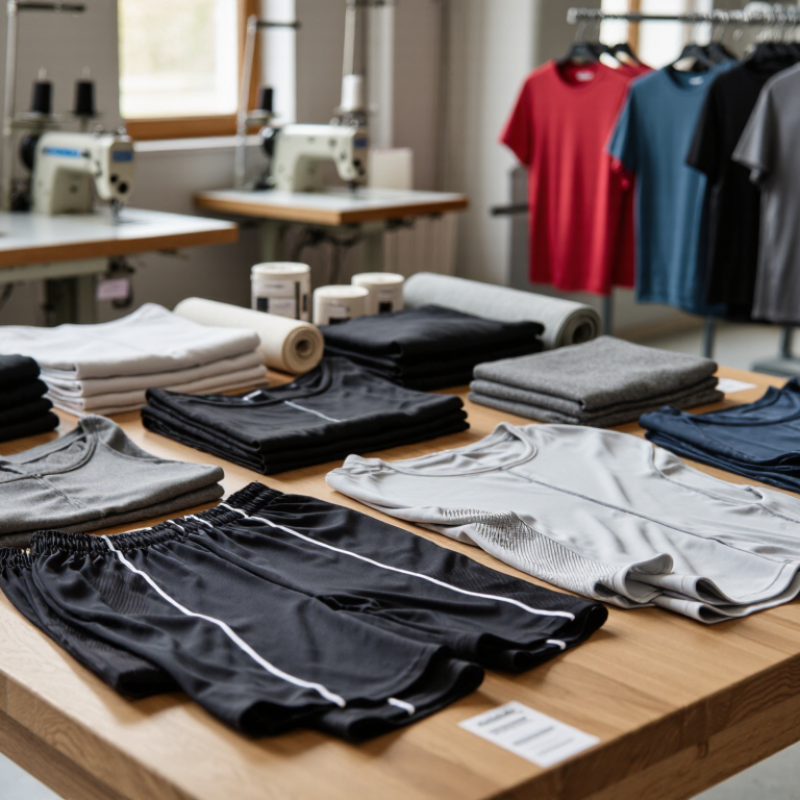
A reliable Chinese workout clothing supplier controls odor before garments leave the factory. During sourcing, inspect fabric storage, cutting rooms, sewing lines, and packing areas. Damp cartons and strong chemical smells are warning signs. Odor often develops when sweat, moisture, residual oils, and poor drying meet synthetic fibers.
Textile Exchange’s 2024 Materials Market Report states that global fiber production reached 124 million tonnes in 2023. Polyester represented about 57% of total output. This matters because high-performance fabrics need careful finishing and washing tests. A dependable supplier should provide fiber content records, colorfastness results, shrinkage data, and odor-related testing from an independent laboratory. ISO 20743 testing can help evaluate antibacterial activity, but it does not replace real-life wear trials. A supplier’s promise is not evidence.
Tips: Request samples from two production batches. Wear them after training, wash them five times, and check the underarm area after drying. Ask for batch codes, fabric mill details, and corrective-action records. Reliable teams answer with documents, not vague assurances. Factory audits also matter, yet no audit is perfect. I would still question unusually low prices, rushed sampling, and reports without laboratory identification. Clear communication about moisture-wicking finishes, packaging humidity, and storage time reveals practical expertise. A trustworthy partner explains limitations openly and adjusts production when test results disagree.
| Rank | Anonymous Supplier Profile | Core Product Focus | Typical MOQ (pieces/style) |
Sample Lead Time (days) |
Odor-Prevention Approach | Recommended Wash-Durability Target | Reliability Evidence to Request |
|---|---|---|---|---|---|---|---|
| 1 | Performance Knit Specialist | Moisture-wicking tops and training T-shirts | 300–500 | 7–12 | Fast-drying polyester or polyamide fabric, low-residue finishing, and flat seams that reduce sweat retention. | Appearance and odor performance verified after 20–30 home-laundering cycles | Fabric test reports, production inspection records, and approved pre-production samples |
| 2 | Recycled-Fiber Activewear Supplier | Recycled polyester leggings and sports bras | 500–1,000 | 10–15 | Use certified recycled yarns, controlled drying conditions, and breathable fabric constructions to limit bacterial-friendly moisture. | Color fastness suitable for repeated washing; no persistent chemical odor after finishing | Recycled-content documentation, restricted-substance testing, and batch traceability |
| 3 | Seamless Garment Manufacturer | Seamless gymwear and compression garments | 800–1,500 | 12–18 | Seamless knitting, targeted ventilation zones, and reduced fabric layering around high-sweat areas. | Dimensional stability within the agreed tolerance after laundering | Knit-program approval, size-set samples, stretch-recovery test, and inspection plan |
| 4 | Yoga and Studio Wear Supplier | Soft-touch leggings, yoga tops, and lounge-to-studio apparel | 300–800 | 8–14 | Blended nylon or polyester with elastane, breathable panels, and finishing selected for low odor retention. | Elastane recovery maintained after repeated washing and tumble-drying tests | Fiber-content verification, colorfastness results, and care-label validation |
| 5 | Teamwear and Customization Factory | Custom jerseys, shorts, and training kits | 100–300 | 10–20 | Sublimation or low-migration printing, breathable mesh zones, and complete drying before packing. | Print adhesion and colorfastness tested according to the agreed specification | Artwork approval workflow, print test panels, needle and thread records, and final inspection photos |
| 6 | Low-MOQ Startup Supplier | Small-batch activewear and private-label basics | 50–200 | 7–14 | Use pre-tested stock fabrics, moisture-control packaging, and documented post-production ventilation. | Consistent shade, measurement, and odor condition across the full small batch | Small-batch quality checklist, material approval sheet, and replacement policy |
| 7 | Technical Compression Supplier | Compression tops, tights, and recovery garments | 500–1,000 | 12–20 | High-density fabric balanced with ventilation zones; avoid excessive softener that can reduce moisture transfer. | Stretch, pressure, and recovery values remain within the approved range after washing | Compression test data, fabric weight records, and size grading approval |
| 8 | Eco-Fabric and Natural Blend Supplier | Bamboo, lyocell, cotton blends, and casual fitness wear | 300–800 | 10–16 | Select absorbent fibers carefully, improve air circulation through fabric structure, and provide clear washing instructions. | Shrinkage and pilling controlled within the approved specification | Fiber-origin documents, chemical compliance reports, and shrinkage test results |
| 9 | Outdoor and Multi-Activity Supplier | Running jackets, base layers, and hybrid sportswear | 500–1,200 | 14–22 | Moisture-transfer base layers, vented construction, and controlled application of water-repellent finishes. | Breathability and water-repellent performance retained after the agreed wash cycles | Air-permeability data, finish durability reports, and seam-sealing inspection records |
| 10 | Full-Service Private-Label Supplier | Design, sourcing, manufacturing, packaging, and fulfillment | 200–1,000 | 10–18 | Approved fabric library, odor-aware finishing, dry storage, breathable packaging, and documented first-in-first-out inventory control. | Final products meet the signed measurement, appearance, color, and odor requirements | End-to-end quality manual, factory audit access, corrective-action records, and shipment inspection report |
Compare moisture-wicking knits, seamless construction, compression garments, yoga fabrics, and running shells. Each strength solves a different sourcing problem. Small-batch development can reduce early design risk. Factory size alone proves little.
Polyester dries quickly and represented about 57% of global fiber production in 2023. Its low moisture absorption supports fast drying. However, oily sweat compounds can remain near the skin. That may create odor.
Ask for untreated, finished, and washed fabric comparisons. ISO 17299-3 can evaluate deodorant performance through gas chromatography. ISO 20743 measures antibacterial activity. These tests are different.A fresh sample is not enough. Use controlled humidity, recorded wash cycles, and blinded odor scoring. Real wear trials still matter.
A practical protocol can include 20, 30, and 50 home-laundering cycles. Check odor, fabric strength, drying speed, and appearance afterward. One wash may hide weaknesses. Fifty washes may reveal the truth.
No, recycled content does not automatically ensure freshness or durability. Verify the fiber source and processing records. Then test pilling, recovery, drying time, and odor. The label alone is weak evidence.
Running tops may need lighter mesh beneath the arms. Leggings need strong recovery and lower pilling. Compression garments require stable stretch and reliable seam construction. Small details matter.
Request GSM records, yarn details, seam samples, wash results, and drying-time tests. Review finishing-bath controls and machine-cleaning procedures. Ask how failed batches remain documented. Missing records deserve caution.
No, odor control is not magic. Bacteria reduction does not always prevent smell after repeated wear. Body chemistry, heat, humidity, and washing habits can change results. Perfect control is unlikely.
Verify recycled fibers and cleaner processing instead of accepting broad marketing language. Textile production places pressure on water, materials, and land resources. Ask for specific evidence and test results. I may be overly cautious, but vague claims often need more checking.
Choosing a reliable Chinese workout clothing supplier requires more than comparing prices. A dependable partner should demonstrate consistent product quality, transparent communication, stable production capacity, flexible customization, and strong inspection procedures. This overview explains how different suppliers may specialize in areas such as compression wear, yoga apparel, running clothes, seamless garments, or sustainable activewear, helping brands match supplier strengths with their target market and product strategy.
Fabric selection plays a central role in odor control. Moisture-wicking, breathable, quick-drying, and odor-resistant materials can reduce the buildup of sweat and bacteria when combined with suitable garment construction. The article also highlights production standards, including fabric testing, colorfastness checks, seam quality inspections, and washing evaluations. By asking clear questions about materials, sample performance, minimum order quantities, lead times, and quality control, brands can make better sourcing decisions and develop products that support freshness, comfort, and durability. It also answers the practical question: How to prevent odors in workout clothing?

 ModaLift Fashion