Top 5 Tips for Choosing Cycling Wear for Long Rides?

Time:2026-05-05 Author:Charlotte
0%

Choosing the right cycling wear for long rides can significantly impact your comfort and performance. Proper clothing helps to manage sweat, provide insulation, and reduce friction. Riders often overlook these factors, leading to discomfort over extended distances. So, how to pick cycling wear for long rides?

When selecting gear, focus on breathability and fit. Breathable fabrics wick moisture away from your skin, keeping you dry. A snug fit minimizes movement and prevents chafing during long hours on the bike. Additionally, consider padding in shorts or tights. They offer extra comfort on longer journeys.

It’s important to not just follow trends. Reflect on personal experiences when choosing cycling wear. What has worked, and what hasn’t? The right combination of materials can enhance your ride, but it’s often trial and error. Ultimately, make selections based on individual needs and ride conditions.
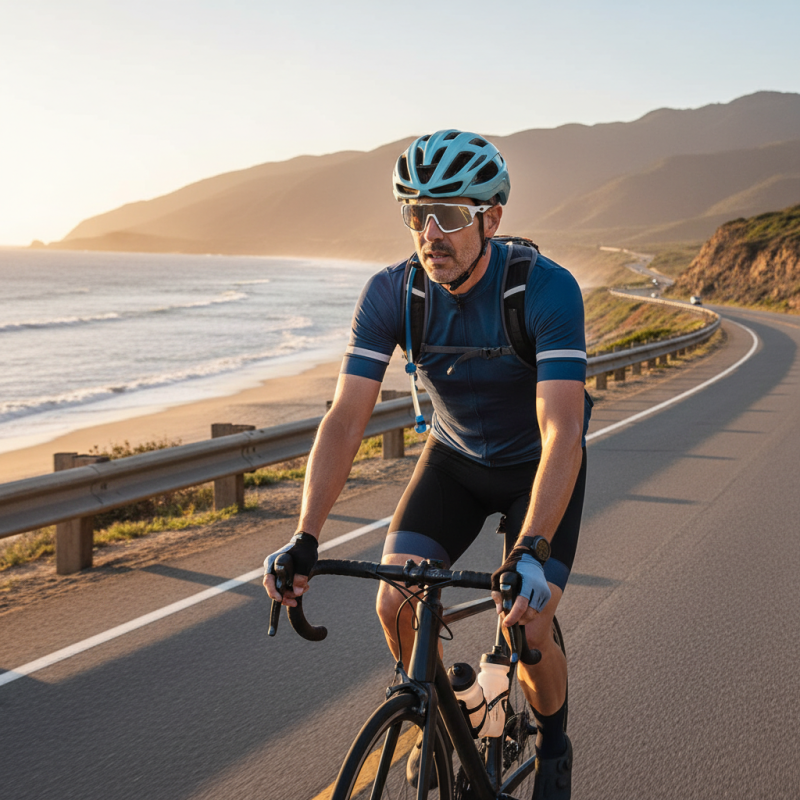
Top 5 Tips for Choosing Cycling Wear for Long Rides?

Understanding Fabric Types for Optimal Comfort on Long Rides

When selecting cycling wear for long rides, understanding fabric types is crucial for comfort. The right material can make a significant difference in performance and enjoyment. Moisture-wicking fabrics, for instance, keep sweat off your skin and help regulate body temperature. According to a report by the Journal of Sports Sciences, maintaining a comfortable body temperature can improve endurance by up to 15%.

Another important fabric attribute is elasticity. Stretchable materials allow for a better fit, which enhances aerodynamics and reduces chafing. A survey conducted by Cycling Weekly found that 62% of cyclists reported discomfort due to poor-fitting clothing. Therefore, consider fabrics that have a high spandex content alongside other materials for optimal flexibility.

Additionally, the weight of the fabric affects breathability. Lightweight fabrics are preferable for long distances, but they may lack durability. A study published in the International Journal of Sports Physiology and Performance indicates that heavier materials often provide better protection against abrasions. Balancing weight, breathability, and durability can be challenging yet essential for a satisfying ride. Remember, a well-informed choice leads to a more enjoyable experience on the road.

Top 5 Tips for Choosing Cycling Wear for Long Rides

Tip Fabric Type Benefits Considerations
1. Choose Moisture-Wicking Fabrics Polyester, Nylon Keeps sweat away from skin May not be as durable
2. Look for Breathable Materials Mesh, Cotton blends Enhances airflow Can absorb moisture
3. Opt for Stretchable Fabrics Spandex, Lycra Allows freedom of movement Heat retention in warm weather
4. Consider Layering Options Thermal, Insulating fabrics Regulates temperature Bulk may restrict movement
5. Check for UV Protection Specialized UV-blocking fabrics Protects skin from sun damage May be less breathable

Importance of Proper Fit in Cycling Wear for Enhanced Performance

Choosing the right cycling wear is essential for long rides. A proper fit plays a crucial role in enhancing performance. Tight clothing can restrict movement and cause discomfort. Loose fabric can lead to chafing, especially during extended periods in the saddle.

When selecting cycling wear, consider how it fits your body. The material should hug your skin without feeling overly constrictive. Look for options with flat seams, which reduce friction and potential irritation. Pay attention to the stretchability of the fabric, as it can impact your endurance on long rides.

Don’t rely solely on size charts. Each body is unique, and trying items on can reveal unexpected fits. Some cyclists may find their usual size does not accommodate their unique body shape. Some clothes feel great in the store but uncomfortable after hours on the bike. Finding the right balance of snug and comfort is key for performance. Prioritizing fit can make long rides a more enjoyable and productive experience.

Selecting the Right Padding for Chamois to Prevent Discomfort

When selecting cycling wear for long rides, comfort is key. One crucial element is the padding in your chamois. This padding can make a world of difference on a 50-mile journey. Look for thickness that suits your riding style. Too thick can lead to chafing; too thin may offer little support. Additionally, consider the material. Breathable fabrics can help reduce moisture buildup.

The right chamois shape is essential for preventing discomfort. Curved designs contour to your body, promoting better blood flow and reducing pressure points. Always test your chamois on shorter rides. This helps you gauge how it feels over longer distances. Keep in mind that everyone's body is unique, and what works for one cyclist might not work for another.

Choosing the proper cycling wear also involves other factors. Fabrics should wick moisture effectively. Look for features like flatlock seams. These can reduce irritation. Also, consider the fit of your shorts. Too tight can cause pinching; too loose might lead to chafing. Prioritize comfort over aesthetics when selecting your gear for those long pedaling sessions.

Choosing Lightweight and Breathable Materials for Temperature Regulation

When selecting cycling wear for long rides, focus heavily on lightweight and breathable materials. The primary goal is to maintain optimal temperature regulation. Materials like polyester and nylon are excellent choices. They wick moisture away from the body. According to a study by the International Journal of Sports Medicine, proper moisture management can enhance comfort during rides lasting over two hours.

Breathability is critical. A study found that breathable fabrics can reduce heat build-up by up to 20%. Mesh panels on jerseys and shorts often improve airflow significantly. However, not all breathable fabrics are equal. Some can trap moisture after prolonged use. Testing fabric performance is essential to ensure it meets your needs over long durations.

Consider the fit as well. A snug fit prevents fabric from flapping in the wind, which can lead to discomfort. However, overly tight garments may restrict airflow. Performance can be compromised if your cycling wear does not strike the right balance. Investing time in assessing your clothing choices can significantly impact your ride's overall experience.

Top 5 Tips for Choosing Cycling Wear for Long Rides

Considering Weather Resistance and Layering for Varying Conditions

When selecting cycling wear for long rides, weather resistance plays a vital role. According to a study by the International Journal of Sports Medicine, over 50% of cyclists faced discomfort due to inappropriate clothing during varying weather conditions. It’s important to choose fabrics that repel water and wind. Look for materials that are breathable but also provide insulation.

Layering is another essential aspect of cycling wear. The concept allows cyclists to adapt to fluctuating temperatures. A base layer should wick moisture away, while the middle layer traps warmth. The outer layer needs to shield against wind and rain. The cycling industry suggests that a well-layered outfit can keep riders comfortable for hours. Incorporating layers gives flexibility, letting cyclists peel off or add clothing as needed.

It's crucial to understand your local climate when selecting your cycling wardrobe. Weather can change rapidly. Many cyclists underestimate this, resulting in discomfort during long rides. Research shows that cyclists are often unprepared for shifts in temperature and precipitation. Consider investing in high-quality layering options. They can make a significant difference in performance and comfort on the road.

FAQS

: What fabric type is best for moisture management?

: Moisture-wicking fabrics are ideal. They keep sweat off your skin and help regulate body temperature.

How does fabric elasticity affect cycling?

Stretchable materials enhance fit and aerodynamics. This reduces chafing and improves comfort during rides.

Why is fabric weight important for cycling wear?

Lightweight fabrics are breathable and suitable for long distances. Heavier fabrics offer better protection but may lack breathability.

What should I consider when choosing chamois padding?

Look for the right thickness and breathable materials. Too thick may cause chafing; too thin may lack support.

How does chamois shape influence comfort?

Curved designs help with blood flow. They reduce pressure points, which is essential for longer rides.

What features should I look for to minimize irritation?

Flatlock seams in fabrics help reduce irritation. Also, focus on a fit that isn't too tight or too loose.

How important is breathability in cycling wear?

Breathable fabrics can reduce heat build-up significantly. Testing fabric performance ensures it meets long-distance riding needs.

What can happen if cycling wear fits poorly?

A tight fit can pinch, while a loose fit may lead to chafing. Both can cause discomfort on long rides.

Why test cycling gear on shorter rides?

Testing helps gauge comfort over longer distances. Everyone's body is unique; what works for one may not for another.

How can fit impact cycling performance?

A snug fit prevents flapping fabric, improving comfort. However, overly tight garments may restrict airflow and performance.

Conclusion

When considering how to pick cycling wear for long rides, it's essential to understand the different fabric types available, as they play a crucial role in providing optimal comfort. Fabrics should be moisture-wicking and soft against the skin to enhance your riding experience. Proper fit is equally important; garments should be snug but not restrictive to ensure enhanced performance and prevent distractions during your ride.

Another key factor is selecting the right padding for the chamois, which helps prevent discomfort during long durations in the saddle. Additionally, lightweight and breathable materials are vital for temperature regulation, keeping you cool and comfortable. Lastly, considering weather resistance and layering options allows cyclists to adapt to varying conditions, ensuring that they are prepared for anything that comes their way. By focusing on these aspects, you can effectively choose cycling wear that enhances your long-distance rides.

Charlotte

Charlotte

Charlotte is a seasoned marketing professional with a deep understanding of the company's portfolio and a passion for elevating its presence in the market. With a keen eye for detail and a commitment to excellence, she ensures that our professional blog is regularly updated with insightful articles......