Choosing the right workout tops can significantly impact your exercise performance. Over time, these tops endure wear and tear. This raises an essential question: How often should you replace your workout tops?
Many may overlook this question. Workout tops are not just fashion items; they play a crucial role in comfort and support. A worn-out top can hinder your movement and even cause distractions. The degradation of fabric affects moisture-wicking capabilities. Old tops may lose their elasticity and fit, impacting your overall workout experience.
While there is no one-size-fits-all answer, experts suggest assessing your gear regularly. Consider fabric quality, fitted structure, and your own comfort. If you notice fading, odor retention, or fraying seams, it may be time for a replacement. Investing in fresh workout tops can energize your routine and improve results. Remember, your gear reflects your commitment to fitness. Don’t underestimate the importance of a reliable workout top.
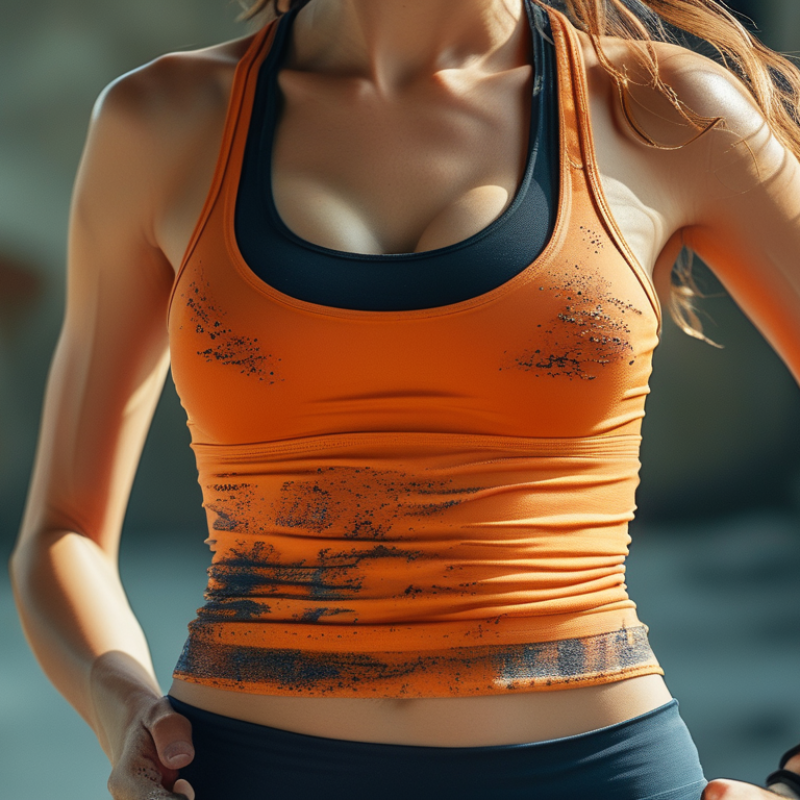
Workout tops play an essential role in achieving fitness goals. It's important to know when to replace them. Here are some signs that indicate it’s time for a change.
If you notice fabric pilling or a stretched-out shape, consider it a red flag. These issues can impact your comfort and performance. A top that loses its fit can feel restrictive or less supportive during workouts. Look out for any noticeable tears or holes. Damage like this can be distracting and affect your confidence while exercising.
Tip: To prolong the life of your workout tops, wash them in cold water and air dry when possible. This minimizes wear and tear.
Another sign is when the material feels less breathable. If your top no longer wicks away sweat effectively, it’s time to replace it. Staying dry helps maintain your body’s temperature during workouts. A top that traps moisture can lead to discomfort and irritations.
Tip: Rotate your workout gear. This allows each piece to rest and recover in between uses. It can significantly extend their lifespan.
Consider your workout intensity, too. Higher-impact activities require more durable tops. If your routine has become more intense, it might be time to invest in new ones.
: Higher fabric quality improves comfort and performance. Poor quality leads to distractions during exercise.
Look for fading, rough texture, or excessive wear. If you feel discomfort, consider replacing them.
Washing too frequently can break down fabric. Spot cleaning or airing out may suffice.
Frequent washing can reduce shape and elasticity. Heat and harsh detergents can weaken fibers.
Fabrics like spandex and polyester are popular but wear out over time. Look for high-quality options.
Wash in cold water, avoid fabric softeners, and air dry. Regularly check for signs of wear and repair early.
Ill-fitting tops cause chafing and discomfort. Ensure a good fit for better performance.
Many athletes wash workout clothes more often than necessary, often leading to quicker wear.
Yes, some fabrics lose effectiveness over time. Listen to your body for signs of discomfort during workouts.
Yes, rotating tops reduces wear and tear on favorites, extending their lifespan significantly.
When considering how often should you replace your workout tops, there are several key indicators to be mindful of. Signs such as visible wear and tear, loss of elasticity, and diminished moisture-wicking abilities often suggest it’s time for an update. The quality of the fabric plays a significant role in both performance and comfort; over time, even high-quality materials can degrade and no longer provide the desired support. Frequent washing also contributes to the longevity of workout tops, often leading to fading and weakening of the fabric.
Choosing the right time for replacement should be based on the intensity and frequency of your workouts. More rigorous activities may necessitate more regular updates, while less frequent use might allow for longer-lasting wear. To extend the life of your workout tops, employing proper washing techniques and storing them correctly can make a considerable difference, helping you get the most value out of your gear while ensuring optimal performance.

 ModaLift Fashion