How to Prevent Odors in Workout Clothing Effectively?

Time:2026-06-13 Author:Charlotte
0%

In the realm of fitness, wearable technology has advanced significantly. However, maintaining freshness in workout apparel remains a challenge. Many athletes face the persistent question, "How to prevent odors in workout clothing?" Research indicates that over 70% of active individuals report experiencing unpleasant odors in their gear. This is often due to the growth of odor-causing bacteria, which thrive in warm and damp environments, such as those found in workout clothes.

Professional athletes often rely on specialized materials designed to wick moisture and resist microbial growth. According to a study from the American Society for Microbiology, certain fabrics can significantly inhibit bacterial growth compared to traditional cotton. However, not all workout clothes perform equally well. Some may trap sweat and odors, requiring careful selection and maintenance to enhance longevity and freshness.

Reflecting on these challenges reveals the importance of both fabric technology and personal hygiene. Washing techniques and laundry products can profoundly impact odor management. As fitness becomes integral to daily life, understanding how to effectively tackle this issue is crucial for everyone from casual gym-goers to serious competitors.
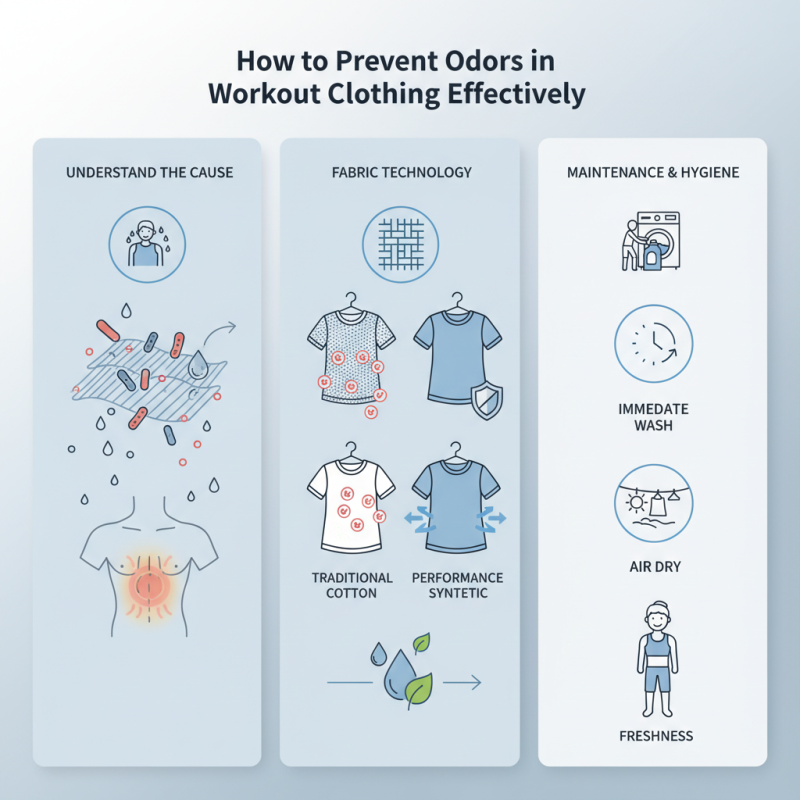
How to Prevent Odors in Workout Clothing Effectively?

Understanding the Causes of Odors in Workout Clothing

Workout clothing often develops unpleasant odors due to multiple factors. Sweat is the main culprit, containing proteins that bacteria love. When sweat interacts with fabric, bacteria thrive, leading to odor. According to a report from the International Journal of Clothing Science and Technology, around 30% of gym-goers experience strong body odor from their workout gear.

Another significant factor is the type of fabric used. Synthetic materials, like polyester, tend to trap moisture and bacteria more than natural fibers. A study by the Textile Research Journal found that synthetic fibers retain odor-causing substances much longer. This means that even after washing, these fabrics may not be entirely odor-free.

It's also essential to consider washing methods. Overloading the washing machine can prevent clothing from cleaning thoroughly. The American Cleaning Institute suggests using the correct detergent type for activewear. These insights illustrate that while fighting odor is a common concern, understanding the causes helps in finding effective solutions. Reflecting on this knowledge allows consumers to make more informed decisions.

The Role of Fabric Types in Odor Retention: A Comparative Analysis

When it comes to workout clothing, the type of fabric plays a crucial role in odor retention. A study by the American Textile Manufacturers Association highlights that synthetic fabrics, like polyester and nylon, tend to retain odors more than natural fibers. Research shows that synthetic materials can trap sweat and bacteria, leading to unpleasant smells. This is due to their hydrophobic nature, which prevents moisture from escaping and creates a perfect environment for bacteria.

In contrast, natural fibers such as cotton and merino wool exhibit better breathability. A report from the Fiber Science and Technology Journal indicates that these fabrics allow for greater moisture evaporation. As a result, they are less likely to retain odors after workouts. However, some may argue that natural fibers might not wick sweat as effectively as synthetics, leading to discomfort during intense exercises.

It’s interesting to note that the choice of fabric isn't universally clear-cut. Some consumers prefer the performance of synthetics while facing the odor dilemma. On the other hand, natural fabrics may require more frequent washing, which isn’t ideal for everyone. Achieving a balance between comfort, sweat management, and odor control can be challenging.

How to Prevent Odors in Workout Clothing Effectively?

This chart illustrates the odor retention scores of different fabric types commonly used in workout clothing. A lower score indicates better performance in preventing odors.

Effective Washing Techniques to Eliminate Odors from Activewear

Activewear can develop unpleasant odors quickly. This is especially true for materials that wick moisture. The right washing techniques can make a significant difference in keeping your workout clothes fresh.

Using cold water is helpful for removing odors. Hot water can set stains and smells into the fabric. Add a cup of white vinegar to the wash. Vinegar acts as a natural deodorizer and can break down lingering odors. However, be cautious about its use. Too much vinegar can degrade the fabric fibers over time.

Consider air-drying your clothes instead of using a dryer. The dryer can sometimes trap odors. Hanging your items outside benefits from fresh air and sunlight. Yet, remember to be mindful of where you dry. Areas with high humidity may not provide the freshness you seek. Regularly washing your workout clothes, ideally after every use, also prevents smells from building up. Think about using baking soda alongside your detergent. This can enhance odor removal. With consistent care, it’s possible to enjoy fresh-smelling activewear every time you workout.

The Impact of Detergents and Fabric Softeners on Odor Control

When it comes to workout clothing, odors can be a persistent problem. The right choice of detergents and fabric softeners plays a crucial role in effective odor control. Recent studies reveal that synthetic fabrics, commonly used in activewear, tend to trap bacteria. These bacteria produce odorous compounds that are challenging to eliminate. According to research from the American Journal of Sports Science, improper washing can leave up to 80% of bacteria on garments.

Many laundry detergents claim to combat odors. However, not all products deliver the same results. A report from Textile Research Journal indicates that certain surfactants can leave residues that contribute to lingering scents. Choose detergents formulated specifically for athletic wear. They typically contain enzymes designed to break down odor-causing substances.

Tip: Avoid fabric softeners, as they can coat the fibers and diminish moisture-wicking properties. This coating can lead to increased odor retention. Wash workout gear separately to prevent cross-contamination with other clothing. This small change can significantly improve freshness.

Also, consider pre-soaking heavily soiled items. A mixture of warm water and vinegar can help neutralize odors before the main wash. Remember, even the best laundry products can't entirely prevent odors if your washing machine is not clean. Regularly run a cleaning cycle to maintain efficiency.

Tips for Proper Drying and Storage to Prevent Odor Build-up

Proper drying and storage of workout clothing are essential to prevent odor build-up. After a workout, remove your clothes promptly. Sweaty clothes left for hours smell worse. Rinse them under cold water before washing. This helps to break down odors. Use a detergent specifically designed for athletic wear. Regular detergent may not work well on synthetic fabrics.

Drying is just as crucial. Avoid leaving clothes in a damp pile. This creates a breeding ground for bacteria. Instead, hang workout clothes in a well-ventilated area. Direct sunlight can be beneficial, but be careful of fading. If using a dryer, select a low heat setting to avoid damaging fibers.

Storage is the final step. Fold or hang workout clothes properly to minimize wrinkles. Use breathable bags or containers to store them. Avoid plastic bags, as they trap moisture. It's also worth reevaluating your storage habits. Sometimes clothes are packed too tightly, causing unseen issues. Remember, the goal is to keep your gear fresh and ready for the next workout.

FAQS

: How can I prevent odors in my activewear?

: Use cold water and add white vinegar to your wash. This helps eliminate odors effectively.

Is air-drying better than using a dryer?

Yes, air-drying prevents trapped odors. Hang clothes outside for fresh air and sunlight, but watch for humidity.

What type of detergent should I use for workout clothes?

Choose detergents specifically designed for athletic wear. They contain enzymes to break down odor-causing substances.

Should I use fabric softeners with my activewear?

No, fabric softeners can coat fibers and reduce moisture-wicking ability. This can lead to worse odors.

How often should I wash my workout clothes?

Ideally, wash after every use to prevent smells from building up. Rinse promptly to reduce odor.

How can I prepare heavily soiled items before washing?

Pre-soak them in a mixture of warm water and vinegar. This neutralizes odors before the main wash.

What should I consider when drying my activewear?

Avoid damp piles to prevent bacteria growth. Hang clothes in a well-ventilated area and consider using low heat if drying.

How should I store my workout clothes?

Fold or hang them properly in breathable containers. Avoid plastic bags that trap moisture and can cause odors.

What cleaning habits should I maintain for my washing machine?

Regularly run cleaning cycles in your washer. A clean machine helps effectively remove odors from clothes.

What if my clothes still smell after washing?

Reconsider your washing routine and check if your detergent or washing machine needs adjusting or cleaning.

Conclusion

When considering "How to prevent odors in workout clothing?", it's essential to first understand the underlying causes of odors that can accumulate in activewear. Factors such as sweat, bacteria, and certain fabric types play significant roles in odor retention. This article emphasizes the importance of fabric selection, highlighting how different materials can either trap or repel odors.

To effectively combat unpleasant smells, proper washing techniques are crucial. Using the right detergents and avoiding fabric softeners can significantly enhance odor control. Additionally, attention to drying and storage practices can further prevent the build-up of unwanted scents. By following these guidelines, individuals can maintain fresher workout clothing that enhances their fitness experience.

Charlotte

Charlotte

Charlotte is a seasoned marketing professional with a deep understanding of the company's portfolio and a passion for elevating its presence in the market. With a keen eye for detail and a commitment to excellence, she ensures that our professional blog is regularly updated with insightful articles......