7 Tips on How to Choose Fitness Gloves for Weight Training?

Time:2026-09-27 Author:Charlotte
0%

Choosing fitness gloves for weight training is not just about color or brand. The right pair should feel secure, protect your palms, and let you grip a bar without slipping. How to choose fitness gloves for weight training? Start with the fit, then consider material, wrist support, grip, and how often you train. A glove that bunches beneath your fingers can become distracting during a set. Too much padding may also reduce your feel for the bar. Small details matter.

These seven tips offer a practical way to compare options before you buy. Measure your hand and check the manufacturer’s size chart, since sizing varies between brands. Look for breathable fabric if your hands tend to sweat, and inspect stitching around the fingers and palm. If you lift heavy or have a history of wrist discomfort, consider whether a secure closure or wrist strap suits your needs. Gloves are not a substitute for sound lifting technique, and they may not prevent every blister or callus. That is worth remembering.

Try them with the movements you actually train. Can you hold a dumbbell firmly? Do the seams rub when you close your hand? A quick test can reveal more than a product photo. Preferences differ, and a popular model may still feel wrong for you. These points are a guide, not a perfect formula. Compare comfort, durability, and care instructions, then choose a pair that supports consistent, confident training.
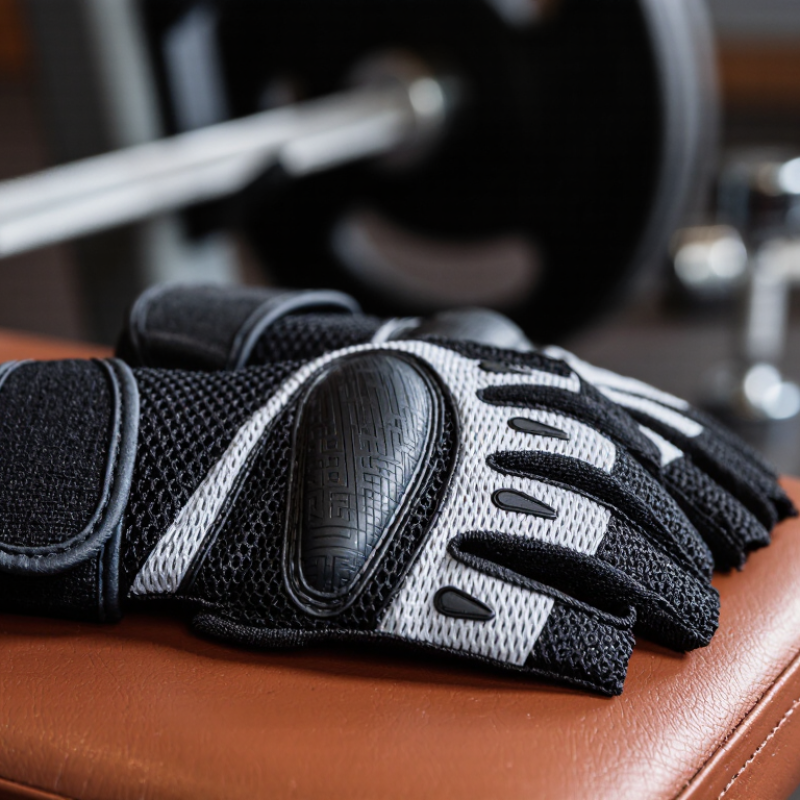
7 Tips on How to Choose Fitness Gloves for Weight Training?

Understand the Role of Gloves in Weight Training

Weight-training gloves mainly create a more comfortable contact between your hands and the bar. Their textured palms can reduce slipping when sweat builds during a set. They also limit direct rubbing, which may help prevent sore spots and calluses from becoming painful. A small benefit, but noticeable.

The right amount of padding depends on the exercise. Thick palms may feel comfortable on machines, yet make a barbell harder to sense during deadlifts or rows. Try gripping a loaded bar before buying, if possible. Your fingers should close around it without excess material bunching in the palm. Fit matters.

Gloves do not correct a loose grip or replace sound lifting technique. If they shift, pinch, or feel slick, they may make control worse. I have found that some gloves feel secure at first but become distracting once hands get warm. Check the seams and wash instructions, since damp fabric can hold odor and lose its shape. Gloves also offer little wrist support unless they include a separate, properly fitted wrap. Keep that distinction in mind.

Assess Fit, Sizing, and Wrist Support

A good weight-training glove should feel snug, not restrictive. Measure around the widest part of your palm, just below the knuckles, and compare that number with the maker’s sizing chart. Charts are useful, but they are not perfect; hand shape and finger length vary. When trying gloves on, close your hand around a light dumbbell handle. The material should stay in place without bunching in your palm. Your fingertips should reach the ends without feeling squeezed.

Check the wrist closure separately. It should feel secure, with enough room to bend your wrist naturally. A stiff or overly tight strap can press into the skin and distract you during a set. If the glove has a long wrap, fasten it evenly rather than pulling hard on one side. Try a few gentle wrist bends and open your hand fully. No tingling. No numbness. Wrist support can add a sense of stability, but it cannot correct poor lifting form or replace advice from a qualified professional when pain persists. A slightly imperfect fit may seem manageable at first, yet friction can become irritating during repeated sets.

Compare Grip Materials, Padding, and Breathability

Grip material changes how securely a glove holds a bar. Textured synthetic fabric often dries quickly and needs little break-in time. Leather can feel firm and durable, but may soften with use. Silicone grip patterns can add traction, though raised sections may feel distracting during lighter lifts. Try holding a bar with dry hands, then repeat after a short workout. Feel the difference.

Padding should protect pressure points without making the bar feel distant. A thick palm layer may reduce discomfort during high-repetition sets, but it can also bunch when you close your hand. Check that seams do not cross the spots where the bar presses hardest. Make a tight fist. Then open your hand and look for creases or shifting fabric. More padding is not always better; I would reconsider that assumption if grip control suffers.

Breathability matters once your hands warm up. Mesh panels and perforated fabric can let heat escape, while dense materials may stay damp longer. Fit matters too: loose fingers can fold, and a tight wrist can feel restrictive. Check care instructions, since trapped sweat can leave gloves unpleasant between sessions. Small details count. A quick try-on is useful, but it cannot fully predict comfort after a long set.

Match Glove Features to Your Training Style

Match Glove Features to Your Training Style

Your gloves should suit the movements you repeat, not simply look sturdy. ACSM’s 2025 Worldwide Fitness Trends survey ranked traditional strength training fifth among global fitness trends. That makes practical equipment choices relevant for many gym-goers, though the ranking does not prove gloves improve performance.

For heavy barbell sets, choose a close-fitting palm with light padding. Excess bulk can make the bar feel less secure in your hands. For higher-repetition dumbbell work, breathable fabric and a soft, textured palm may help manage sweat and rubbing. Small detail, big difference.

Consider your grip and routine. A snug wrist closure can feel supportive during pressing, but it should not restrict movement or cause tingling. Check that your fingers bend freely and the palm material does not bunch when you close your hand around a handle.

For pull-ups or rows, thick padding may reduce direct bar feel; try a thinner glove before committing. Gloves can reduce friction, but they cannot correct poor technique or replace a secure grip. Fit is personal.

Even careful shoppers sometimes choose more padding than they need, then find the bar feels awkward. Test gloves with an empty bar or light dumbbells, and reassess them if seams rub or the material slips.

Check Durability, Care, and Overall Value

Durability is easier to judge by construction than by appearance. Check the stitching around the thumb and palm, where repeated gripping puts stress on seams. Pull gently at the joins; loose threads or uneven rows can signal early wear. Feel the padding with your fingers. It should cushion the bar without bunching into hard ridges. A snug fit matters, too, because excess fabric can fold during rows or presses. Not glamorous, but useful.

After training, turn gloves inside out and let them air-dry fully before storing them. Sweat trapped in a gym bag can leave odors and may shorten the life of some materials. Follow the care label; harsh washing or high heat can weaken elastic and adhesives. If the gloves are washable, a gentle cycle in a mesh bag is often less rough than scrubbing them by hand. I learned that late. Compare the price with features such as washable fabric, durable seams, and a comfortable fit during your usual lifts. A cheaper pair may be poor value if seams open after a few weeks, while thick padding is wasted if it dulls your grip feel. Thinning palms and slipping closures deserve attention, not just a quick glance. Even well-made gloves eventually wear out.

7 Tips for Choosing Weight-Training Gloves

Compare these practical selection criteria when checking durability, care, and overall value.

Scores are editorial priority weights on a 1–10 scale, not laboratory test results or survey data. Check fit and grip first, then compare construction, care requirements, and cost per use.

FAQS

What do weight-training gloves mainly do?

They soften contact with the bar and can reduce slipping when sweat builds. They may also limit rubbing on your palms.

Can gloves prevent calluses completely?

No. They can reduce friction, but sore spots may still develop. Small help, not a guarantee.

How much palm padding should I choose?

Choose enough to feel comfortable without losing your sense of the bar. Thick padding may feel awkward during deadlifts or rows.

How can I check the fit?

Grip a loaded bar, if possible. Your fingers should close naturally, without fabric bunching in your palm.

Do gloves improve lifting technique or grip automatically?

No. They cannot correct a loose grip or poor technique. If they shift or feel slick, control may get worse.

What should I inspect before buying?

Check stitching around the thumb and palm. Feel for padding that stays even, and look for closures that sit securely.

How should I care for training gloves?

Turn them inside out and air-dry them fully after training. Follow the care label; high heat may weaken elastic or adhesives.

Do gloves provide wrist support?

Usually not, unless they have a separate, properly fitted wrist wrap. Gloves and wrist support are not the same thing.

When should I replace a pair?

Watch for thinning palms, slipping closures, or seams coming loose. A quick glance can miss wear. Check them closely.

Conclusion

Choosing the right gloves can make weight training more comfortable, secure, and consistent. How to choose fitness gloves for weight training? Start by considering what you need them to do: protect your hands from friction, improve your hold on equipment, or provide extra support around the wrists. Check the fit carefully, since gloves that are too tight can restrict movement, while loose gloves may shift during a set. Wrist support should suit your exercises without limiting the range of motion you need.

Compare grip materials, padding, and breathability to find a balance between control and comfort. The best features depend on your training style: heavier lifts may call for a stable grip and firmer wrist support, while varied workouts may benefit from flexible, lightweight gloves. Finally, consider how easily the gloves can be cleaned and whether their construction seems durable enough for regular use. A thoughtful choice should match your routine, feel comfortable throughout a session, and offer practical value over time.

Charlotte

Charlotte

Charlotte is a seasoned marketing professional with a deep understanding of the company's portfolio and a passion for elevating its presence in the market. With a keen eye for detail and a commitment to excellence, she ensures that our professional blog is regularly updated with insightful articles......