Choosing the right running shoes and socks is essential for maximum comfort. According to Dr. Sarah Jones, a sports podiatrist with over a decade of experience, "The right combination of shoes and socks can make all the difference in your performance and comfort." Her insight highlights the importance of pairing these items thoughtfully.
How to match running shoes and socks for comfort? It begins with understanding your foot type. Some runners need more support. Others require cushioning. The perfect shoe caters to these needs. Meanwhile, socks should be moisture-wicking and fit snugly. Poor sock choices lead to blisters. Selecting high-quality materials can enhance your experience.
Many overlook the sock-shoe relationship. A thick sock may feel great but may alter shoe fit. Sometimes, trial and error is necessary. You might find that your favorite shoes don’t suit all socks. Consider varying conditions. Slight differences can affect performance. Reflecting on your choices is key to finding that ultimate comfort.
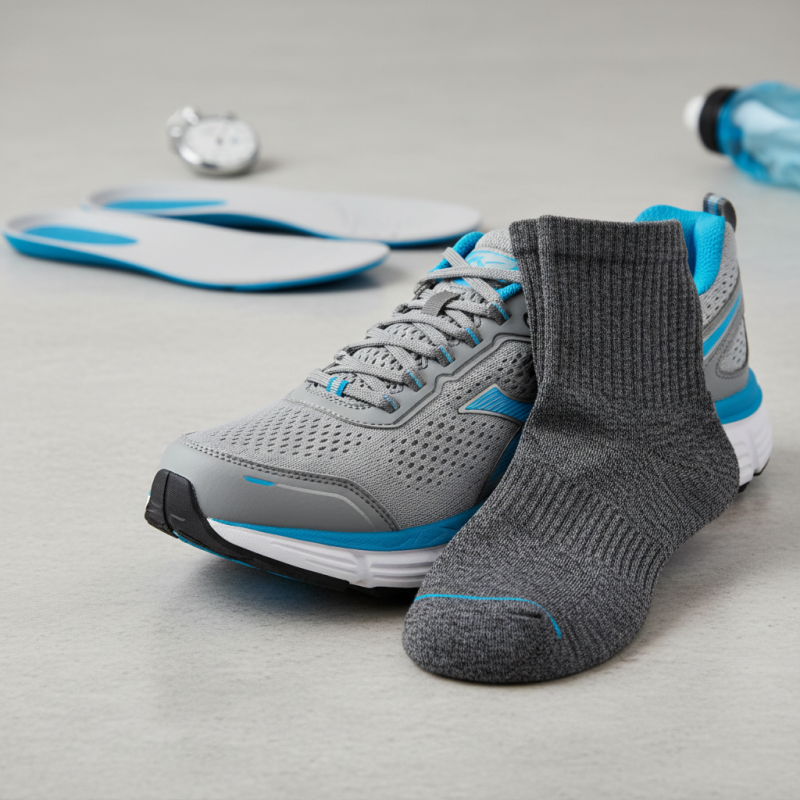
Understanding your foot type is essential for selecting the right running shoes and socks. Pronation refers to how your foot rolls when you run. Overpronators may need extra support to stabilize their foot. According to the American Orthopaedic Foot & Ankle Society, about 50% of runners overpronate. Conversely, underpronators benefit from cushioned shoes that promote a natural stride.
Arch support plays a significant role as well. Flat arches require motion control shoes, while high arches often need more cushioning. A study published in the Journal of Sports Sciences found that inappropriate arch support can lead to discomfort and injuries. Assess your arch type by wetting your foot and stepping on a surface that will leave an imprint.
Tips: When trying on running shoes, wear the same socks you’ll use while running. This simple step ensures a better fit. Always leave half an inch of space at the toe box. If shoes feel tight from the start, they might not work for you. It's vital to acknowledge that comfort is subjective. What works for one may not work for another. Running is a personal journey that takes experimentation.
This chart illustrates the comfort ratings of running shoes based on different foot types: Neutral, Overpronation, and Underpronation. Understanding your foot type can greatly enhance your running experience by selecting the appropriate footwear.
Cushioning in running shoes plays a vital role in enhancing performance and comfort. Proper cushioning absorbs impact during runs, reducing stress on joints. This is crucial, especially for long distances. A well-cushioned shoe can help prevent injuries, like shin splints and plantar fasciitis. It provides the necessary support, allowing for a smoother stride.
Different runners may require various levels of cushioning. Heavier runners often need more support, while lighter runners might prefer a minimalist feel. Testing several options is essential for finding the right fit. When the cushioning feels right, your body can focus on form and technique instead of discomfort.
Shoes should fit well without being too tight. A loose shoe may hinder performance just as much as an overly tight one. The balance of protection and feel is key. Pay attention to your body. If discomfort persists, it might be time for a reassessment. Consider how the shoe performs over time too, as cushioning can degrade.
Selecting the right material for running shoes and socks is crucial for comfort. Breathability is key. Look for materials like mesh or knit fabrics. These allow air to circulate around your feet. This circulation can help to reduce sweat. Reduced moisture prevents blisters and discomfort during long runs.
Moisture management is equally important. Some materials wick moisture away from your skin. This keeps your feet dry and comfortable, even on hot days. Synthetic blends often perform well. They can dry quickly after exposure to sweat. The right socks can complement your shoes, enhancing overall comfort.
Consider your running environment, too. In wet conditions, a waterproof layer can keep your feet dry. However, these materials often sacrifice breathability. Finding the balance can be tricky. Be ready to test different combinations. Comfort is subjective. What works for one person may not work for another. Experiment and listen to your feet.
Choosing the right sock thickness is crucial for runners seeking maximum comfort and blister prevention. Thicker socks provide extra cushioning, which can be beneficial for long runs. However, they may add bulk and heat, potentially leading to discomfort. Many runners underestimate how sock thickness impacts their experience.
Thin socks, on the other hand, offer a snug fit and better moisture management. They reduce the risk of blisters caused by friction. Still, they might lack the cushioning needed for some. Consider your foot type and running style. A runner with high arches may prefer a thicker sock for support. Evaluate your usual running conditions as well. Hot and humid days may require thinner options, while colder days might call for thicker socks.
Experimentation is key. Try different thicknesses during your training runs. Note how your feet feel afterwards. Do you experience any rubbing or discomfort? Addressing these issues early can prevent problems later. Keeping a close watch on how your socks affect your run will lead to subtle improvements. Adjust as needed, and you might find the perfect balance for your feet.
| Feature | Running Shoes | Socks |
|---|---|---|
| Cushioning | Adequate cushioning for shock absorption. | Consider thickness; thicker socks provide more cushioning. |
| Fit | Should feel snug, not too tight. | Choose socks that mold to the foot without excess material. |
| Breathability | Look for materials that promote airflow. | Opt for moisture-wicking fabrics to reduce sweat buildup. |
| Support | Choose running shoes with good arch support. | Consider arch-supporting socks for added comfort. |
| Durability | Look for sturdy materials that withstand wear. | Select reinforced socks to prevent quick wear. |
| Blister Prevention | Ensure shoes fit well to minimize friction. | Choose seamless socks or those with cushioning in high-friction areas. |
| Weight | Lightweight options for speed and agility. | Lightweight socks reduce overall weight during runs. |
Finding the perfect fit for your running shoes begins with an accurate measurement of your foot. Research by the American Orthopaedic Foot & Ankle Society shows that nearly 70% of people wear the wrong shoe size. Proper sizing can prevent injuries and enhance comfort.
Removing socks, standing straight, and measuring each foot gives the best results. Note that one foot may be slightly larger than the other. Always choose the size of your larger foot.
Foot width is equally important. About 30% of runners have wide feet, yet they often settle for standard widths. This can lead to discomfort and blisters. Consider measuring the width of your foot at its widest point. If there’s more than a thumb’s width between your foot and the shoe, it's too loose. It’s crucial to try on shoes at different times of the day, as feet can swell. Ensure there’s a thumb's width of space between your longest toe and the shoe's front.
Lastly, remember that shoe designs vary. A shoe that feels good in the store may cause issues on the trail. Reflecting on your experience and willingness to adjust is key. Regularly reassess your fit, especially after weight changes. Always prioritize comfort by being mindful of your individual foot shape and needs.
: Cushioning absorbs impact and reduces stress on joints, enhancing comfort and performance.
Proper cushioning helps prevent injuries like shin splints and plantar fasciitis during long runs.
No, heavier runners typically need more support, while lighter runners may prefer a minimalist feel.
Test various options until you find the cushioning that feels comfortable and supportive for your body.
Think about comfort, blister prevention, foot type, and usual running conditions.
Yes, thicker socks may add bulk and heat, potentially causing discomfort during runs.
Trying different socks helps identify the best thickness for comfort and blister prevention.
Absolutely, keeping track of comfort helps address issues before they lead to bigger problems.
Shoes must fit well; both tight and loose shoes can hinder performance and cause discomfort.
If discomfort persists or cushioning degrades, it’s time for a reassessment of your gear.
When considering "How to match running shoes and socks for comfort?", it is essential to first understand your foot type, including factors like pronation and arch support. A well-fitting shoe must provide the right cushioning to enhance performance while minimizing the risk of injury. Additionally, selecting the appropriate materials for breathability and moisture management can significantly improve your running experience.
Choosing the right thickness of socks is crucial for both comfort and blister prevention. A proper fit starts with accurately measuring your foot to determine the optimal shoe size. By paying attention to these elements, runners can ensure maximum comfort and performance, ultimately enhancing their running experience.
