How to Choose Effective Windproof Cycling Jackets?

Time:2026-09-17 Author:Isabella
0%

Choosing a cycling jacket is not simply about finding the thickest or most expensive fabric. Real performance appears on cold roads, exposed bridges, and wet descents. What makes windproof cycling jackets effective? The answer lies in how well they manage wind, moisture, movement, and temperature together.

Phil Burt, former head physiotherapist at British Cycling, offers a useful fitting principle: “The best kit is the kit you forget you are wearing.” A reliable jacket should block direct airflow without feeling like a plastic shell. Its front panel needs a dense, wind-resistant fabric. Its back should release excess heat during hard climbs. Small details matter, too. A close collar protects the neck. Elastic cuffs reduce drafts. A secure rear pocket protects keys from spray.

Look for evidence, not impressive language. Independent windproof and breathability testing can support a product’s claims, although laboratory results never fully recreate real riding. I have found that a jacket can feel excellent at 10°C, then become clammy during a long ascent. That limitation deserves attention. No garment solves every weather problem.

The best choice depends on pace, layering, rainfall, and route exposure. A racing cyclist may prefer a close, lightweight fit. A commuter may value visibility, durability, and easier layering. This guide examines fabric construction, ventilation, fit, seam protection, and practical weather performance. It also questions common marketing claims, because “windproof” does not always mean comfortable. Small compromises remain. That is normal.
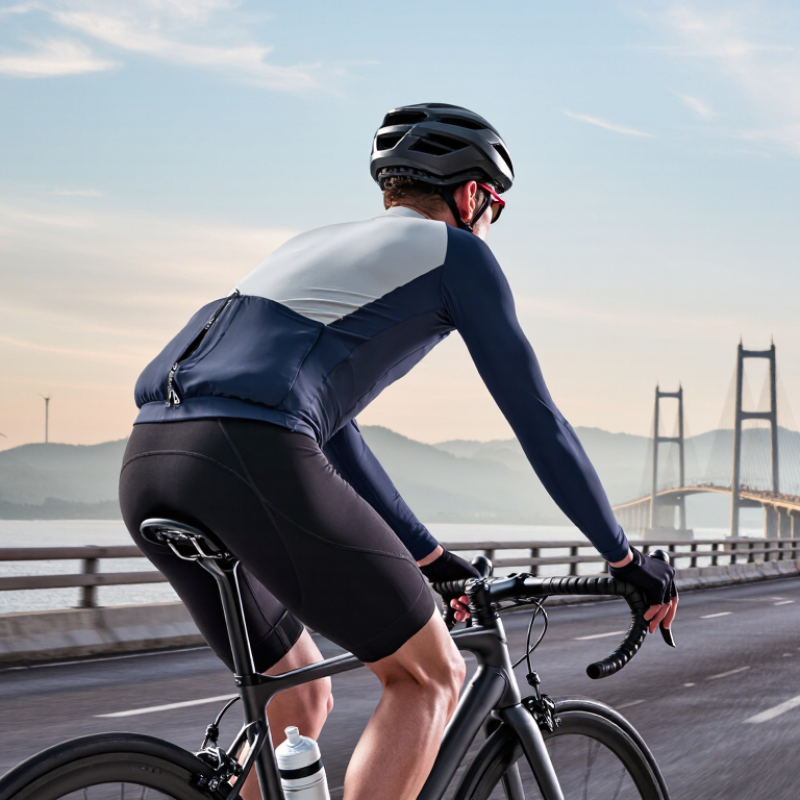
How to Choose Effective Windproof Cycling Jackets?

Define the Weather Protection a Windproof Cycling Jacket Must Provide

A windproof cycling jacket should block moving air without turning every climb into a sauna. On an exposed road, cold wind can cut through thin fabric, especially across the chest and shoulders. Look for a tightly woven outer layer, a close collar, and adjustable cuffs. Small gaps matter.

Weather protection also depends on rain. Water-resistant fabric may handle drizzle for thirty minutes, but steady rain needs sealed seams and a waterproof membrane. Check the stated waterproof rating, yet treat it as guidance, not a promise. Real protection changes with washing, pressure from backpack straps, and fabric wear. A jacket can repel rain at the start of a ride and wet out later. That happened to me on a long descent.

Breathability is equally important. During a hard climb, sweat must escape through the fabric, vents, or both. Pit zips, a rear vent, and a two-way front zipper can reduce clamminess. The fit should leave room for a base layer but avoid loose fabric that flaps in gusts. Test the jacket on a bike, not only while standing. I once chose a lighter shell that packed beautifully, but its thin cuffs admitted cold air. It was convenient, though not truly protective. Consider visibility, pocket access, and how the jacket performs after repeated washing. Weather protection is a balance, not a single label.

Match Jacket Materials and Construction to Your Riding Conditions

How to Choose Effective Windproof Cycling Jackets?

Match the jacket to your usual riding conditions, not just the forecast. On exposed hills, a tightly woven outer fabric reduces wind penetration and protects against light drizzle. A breathable membrane can help during long climbs, but it may feel damp when effort rises sharply. I have found that fabric performance changes with speed, temperature, and sweat levels.

Construction matters as much as material. Look for sealed or neatly covered seams around the shoulders and chest. These areas meet strong airflow first. A close-fitting collar should cover the neck without rubbing when you turn your head. Adjustable cuffs prevent cold air from entering, while a longer rear panel protects your lower back in a riding position. Small vents can release heat after a hard climb.

Fit should allow one thin base layer, but not loose fabric that flaps loudly. Test the jacket with your arms forward. Check whether the pockets remain reachable. A waterproof zip may resist rain better, yet it can feel stiff during frequent use. I once chose maximum wind protection and overheated within minutes. That mistake changed my preference toward moderate protection and better ventilation. No jacket handles every condition perfectly.

How to Choose Effective Windproof Cycling Jackets?

Match jacket materials and construction to your riding conditions.

The relative suitability index uses a 1–10 scale to compare common jacket constructions. Tightly woven shells are efficient for dry, windy rides; stretch-woven softshells balance wind protection and breathability; 2.5-layer and 3-layer membrane jackets are better choices for sustained rain, with 3-layer designs generally offering greater durability.

Choose the Right Fit, Layering Space, and Freedom of Movement

How to Choose Effective Windproof Cycling Jackets?

Choose the Right Fit, Layering Space, and Freedom of Movement

A windproof cycling jacket should fit close, but never feel restrictive. I check the shoulder seams while reaching forward on the handlebars. They should stay near the shoulder edge. The back should cover the lower spine when riding. Too loose fails. Extra fabric can flap loudly and catch cold air. Too tight fails, too. It may compress a warm mid-layer and limit breathing during climbs.

Try the jacket over the layers you actually ride with. A thin base layer needs less space than a winter fleece. Test the zipper while wearing gloves. Then bend your elbows and rotate your shoulders. The sleeves should remain long enough to cover the wrists. A dropped rear hem is useful in a low riding position. It should not pull tightly across the chest. Small details matter.

Freedom of movement is easiest to judge through realistic movement, not a mirror. Walk, stretch, and imitate a sprint position before buying. I once chose a very neat-fitting jacket that felt comfortable indoors, but became tiring after an hour. That mistake changed my fitting routine. A slightly relaxed cut may work better for long rides. Still, excessive space can reduce wind protection. Recheck the fit with your planned layers, because comfort and performance can change outside the shop.

How to Choose Effective Windproof Cycling Jackets? - Choose the Right Fit, Layering Space, and Freedom of Movement

Selection Dimension Recommended Data or Benchmark Why It Matters How to Check Before Buying Common Warning Sign
Jacket Fit Close to the body without compressing the chest, shoulders, or arms A close fit reduces fabric flapping and helps prevent wind from entering around the torso. Wear the jacket in a normal riding position and check that the fabric remains smooth without pulling across the chest. Excess fabric billows in the wind or the front zipper creates strong horizontal tension.
Back Length The rear hem should extend below the waist when leaning forward A longer dropped rear helps cover the lower back and reduces exposure to cold airflow and road spray. Lean forward as if holding the brake hoods or handlebars. The hem should stay over the waistband. The jacket rides up and exposes the lower back during normal cycling posture.
Front Length Shorter than the rear, but long enough to cover the torso while seated A shorter front prevents excess material from bunching near the hips and reduces interference with pedaling. Zip the jacket fully and sit or crouch as you would on the bike. Check for uncomfortable folds around the abdomen. The front hem folds heavily or presses against the thighs while pedaling.
Layering Space Allow room for the intended base layer and, in colder weather, one light insulating layer Insufficient space restricts movement and can compress insulating air. Excessive space increases wind penetration. Try the jacket with the exact layers you plan to wear. Zip it completely and raise both arms forward. The jacket feels comfortable over a short-sleeve jersey but becomes tight over a thermal layer.
Shoulder Mobility Full forward reach without fabric pulling across the upper back Cyclists spend extended periods with the arms forward, so shoulder mobility is essential for control and comfort. Reach toward an imaginary handlebar, rotate the shoulders, and move both arms forward and slightly upward. The back seam pulls upward or the collar tightens when the arms reach forward.
Elbow and Arm Articulation Sleeves should cover the wrists in a riding position without restricting elbow flexion Proper sleeve length helps prevent wind exposure while articulated sleeves maintain control and comfort. Bend the elbows to approximately 90 degrees and check that the cuffs remain near the wrists. Sleeves become short when the arms bend or restrict movement when reaching for the controls.
Cuff Design Close-fitting elastic or adjustable cuffs that sit securely over or under gloves Gaps at the wrists can allow cold air to enter and reduce the jacket's practical wind protection. Test the cuffs with the gloves you normally use. Move the wrists repeatedly to check for gaps. The cuff slides up the forearm or leaves an open channel around the glove.
Collar Height A soft, close-fitting collar that reaches comfortably around the neck The neck is highly exposed to airflow, but excessive tightness can cause discomfort during longer rides. Zip the jacket fully and turn the head left and right. The collar should remain close without rubbing the throat. The collar leaves a large gap or presses against the neck when the head turns.
Wind Protection A tightly woven or membrane-backed front panel with a covered or sealed zipper Wind resistance depends not only on the fabric but also on openings around the zipper, cuffs, collar, and hem. Hold the fabric toward a bright light and inspect the zipper flap, seams, and high-exposure areas. The main zipper leaks air noticeably or the front panel feels loosely woven and unstable.
Breathability Balance Ventilation openings or breathable back panels are useful for high-output riding A completely sealed jacket may block wind effectively but can trap sweat during climbs and intense efforts. Look for breathable zones, two-way ventilation options, or a full-length zipper that can be opened during climbs. The inside becomes clammy quickly even when the outside temperature is moderate.
Fabric Stretch Some mechanical or two-way stretch is beneficial around the shoulders and upper back Stretch improves reach and reduces tension when the rider maintains a forward-leaning position. With the jacket zipped, extend both arms forward and rotate the torso. The fabric should move without excessive resistance. The material feels rigid and pulls at the shoulders during routine steering movements.
Hem Stability An elastic or adjustable hem should remain in place without excessive compression A stable hem limits drafts and prevents the jacket from riding up during repeated pedaling. Raise the arms, lean forward, and simulate several pedal strokes. Check whether the hem stays positioned. The hem rolls upward, flaps continuously, or feels tight around the waist.
Packability The jacket should fit into a jersey pocket or compact storage pouch when not needed Weather conditions can change quickly, so a lightweight windproof layer is most useful when easy to carry. Fold the jacket using the manufacturer's method and place it in a standard cycling jersey pocket. The packed jacket is too bulky to carry comfortably or causes the pocket to sag heavily.
Visibility Features Reflective details should be visible from the rear and sides in low-light conditions Reflective elements can improve recognition by approaching road users during dawn, dusk, or poor weather. Inspect the back, sleeves, and side panels for reflective zones rather than relying only on the jacket's daytime color. Reflective details are limited to a small logo or are absent from side and rear viewing angles.
Best Use Temperature Choose according to the complete clothing system, wind exposure, effort level, and personal comfort A windproof shell does not provide the same insulation as a thermal jacket; layering determines overall warmth. Compare the jacket with your usual base layer and insulating layer before selecting a size. The jacket is chosen by temperature alone without considering riding intensity or the layers underneath.

Evaluate Breathability, Ventilation, and Moisture Management Features

An effective windproof cycling jacket must move moisture, not merely block air. During hard riding, sweat production can reach 0.5–2.0 liters per hour, according to the American College of Sports Medicine’s exercise hydration guidance. A jacket that traps this vapor quickly feels like a plastic bag on your back.

Check breathability through standardized results, not impressive marketing numbers. ISO 11092 measures evaporative resistance, or RET; lower values indicate easier moisture transfer. An RET below 6 m²·Pa/W is generally considered highly breathable under textile testing classifications. However, laboratory results do not fully represent a damp climb, a backpack, or compressed fabric.

Look for long underarm openings, two-way front zippers, and rear vents that remain clear beneath a jersey pocket. Mesh-backed vents help, but they can leak warmth during fast descents. I once chose a jacket with excellent wind protection and ignored sleeve ventilation. My arms stayed dry, while my chest became clammy within twenty minutes. Poor decision.

Moisture management also depends on the base layer. A water-repellent outer fabric cannot compensate for cotton against the skin. The European standard EN 343 evaluates resistance to water penetration and vapor permeability, but its ratings are not cycling-specific. Treat them as useful evidence, not a complete answer. Test the jacket with your usual layers, especially during a slow, exposed climb.

Compare Visibility, Packability, Durability, and Overall Value

Choosing an effective windproof cycling jacket starts with visibility, not color alone. On overcast rides, reflective panels can catch headlights from several angles. Bright fabric helps during daylight, but it cannot replace reflective details. Visibility matters.

Check the placement carefully. Reflective strips on the back, sleeves, and lower torso are more useful than one small logo area. I once chose a jacket with excellent front visibility but weak side reflection. That mistake became obvious at busy junctions. Test it from different angles before buying.

Packability should not destroy durability. A jacket that fits inside a jersey pocket is convenient during changing weather. However, extremely thin fabric may tear near the zipper or pocket seams. Fold it repeatedly and inspect stress points. A reliable zipper should work with cold, gloved fingers. Small details matter. The fabric should also resist flapping, because loose material increases noise and wear.

Overall value depends on use, not the lowest price. Compare weight, ventilation, seam quality, pocket security, and repair options. A slightly heavier jacket may serve more seasons. A cheaper one may become wasteful after several failed rides. I still prefer a small ventilation opening, even when it adds minor weight. Perfect packability can be overrated. Consider your usual distance, weather, and storage habits before deciding.

FAQS

What should a windproof cycling jacket protect against?

It should block moving air across your chest and shoulders. A close collar and adjustable cuffs reduce cold gaps. Small gaps matter.

Is water-resistant fabric enough for cycling in rain?

It can handle light drizzle for about thirty minutes. Steady rain needs sealed seams and a waterproof membrane. Ratings guide you, but they are not promises.

How can a jacket prevent overheating during climbs?

Choose breathable fabric, pit zips, rear vents, or a two-way zipper. These features help sweat escape during hard efforts. Ventilation matters.

What jacket fit works best on a bicycle?

The jacket should fit close without restricting breathing. It should allow one thin base layer. Test it with your arms reaching forward.

How can I check sleeve and back coverage?

Bend your elbows and imitate a riding position. Sleeves should cover your wrists. A dropped rear hem should protect your lower back.

Why are jacket seams and cuffs important?

Shoulders and chest meet strong airflow first. Neatly covered seams reduce water entry. Adjustable cuffs stop cold air from entering.

Should I choose maximum wind protection?

Not always. Maximum protection may cause overheating within minutes. I once preferred a thinner jacket, but its cuffs admitted cold air.

How should I test a jacket before buying?

Wear your actual riding layers and gloves. Reach forward, rotate your shoulders, and check pocket access. A mirror alone can mislead you.

Can washing change weather protection?

Yes. Washing, backpack pressure, and fabric wear may reduce water repellency. A jacket can start dry and wet out later.

What compromise should cyclists expect?

No jacket handles every condition perfectly. More protection can reduce breathability. A slightly relaxed fit may suit long rides better. Sometimes, comfort wins.

Conclusion

What makes windproof cycling jackets effective? Their performance depends on more than simply blocking air. A well-designed jacket should protect against wind and light weather while matching the rider’s typical conditions. Consider the fabric, seam construction, cuffs, collar, and hem to determine how well the jacket limits drafts without becoming uncomfortable. The fit should leave enough space for a base layer or mid-layer, while still allowing natural movement in the riding position.

Breathability and moisture management are equally important, especially during climbs or intense efforts. Look for ventilation features that release excess heat and help reduce clamminess. Practical details such as reflective elements, compact packability, durable construction, and useful pockets can further improve everyday value. By balancing protection, comfort, mobility, visibility, and long-term durability, cyclists can choose a windproof jacket that performs reliably across changing conditions without unnecessary weight or bulk.

Isabella

Isabella

Isabella is a dedicated marketing professional with a sharp focus on driving brand growth and engagement through strategic content creation. With an extensive background in digital marketing, she combines her passion for storytelling with her keen understanding of industry trends to deliver......