When engaging in physical activities, one often underestimates the clothing worn during workouts. The right attire can significantly impact performance and comfort. This brings us to the question: Why is breathable fitness clothing important?
Breathable fitness clothing allows for better airflow and moisture management. As you sweat, your body needs to cool down efficiently. Non-breathable materials can trap heat and moisture, making workouts uncomfortable. Imagine running in a heavy, damp shirt. It distracts from concentration and performance.
Moreover, breathable fabrics can enhance your overall workout experience. They reduce chafing and irritation, allowing you to focus solely on your fitness goals. Choosing the right gear is essential for optimal movement and energy. Yet, many still overlook this crucial detail. Selecting breathable clothing is not just a matter of preference; it’s about supporting your body in achieving peak performance.
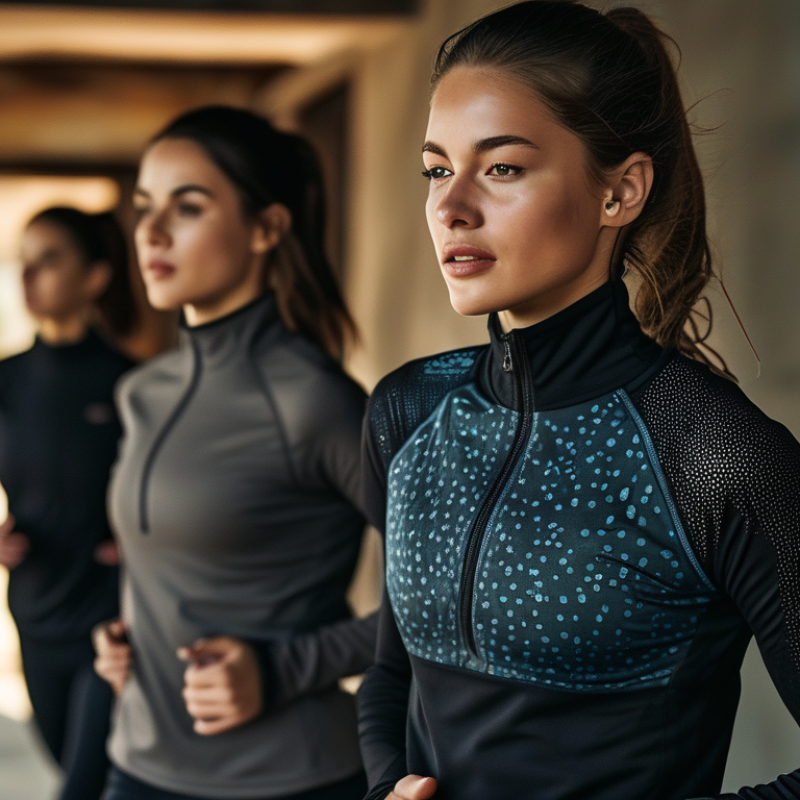
Breathable fitness clothing plays a crucial role in enhancing physical activity. According to a recent industry report, 70% of fitness enthusiasts cite comfort as a key factor in clothing choice. When exercising, the body generates heat. Properly designed breathable fabrics allow sweat to evaporate. This prevents overheating and promotes better performance during workouts.
Research indicates that athletes who wear breathable clothing can improve their endurance. One study found a 15% increase in performance for runners wearing moisture-wicking apparel compared to traditional fabrics. This shows how critical it is for fitness enthusiasts to invest in effective gear. The right attire can significantly influence energy levels and overall enjoyment of physical activity.
Moreover, breathable clothing helps prevent skin irritation. Sweat trapped between fabric and skin can lead to chafing or rashes. Many individuals experience discomfort that distracts from their workout. Choosing moisture-resistant materials can mitigate these issues. However, some may still find certain fabrics irritating despite advancements in technology. Awareness is key when selecting workout gear. Prioritizing breathable clothing can lead to more productive workouts and an overall better fitness experience.
This chart illustrates the importance level of various benefits associated with breathable fitness clothing. Each bar represents how critical each aspect is for individuals engaging in physical activities, on a scale of 1 to 10.
Breathable fitness clothing plays a crucial role in enhancing comfort during workouts. Sports scientists recommend fabrics designed for moisture-wicking and air circulation. According to the Textile Research Journal, garments made from breathable materials can reduce sweat accumulation by up to 40%. This significant reduction improves comfort and allows for prolonged physical activity.
When exercising, maintaining an optimal body temperature is vital. Research from the Journal of Sports Sciences indicates that adequate airflow through clothing can help regulate body heat. Athletes in breathable attire report fewer instances of overheating, highlighting the connection between fabric choice and performance. Yet, many people overlook the impact of their clothing and may experience discomfort.
A well-fitting, breathable outfit also reduces chafing and skin irritation, allowing for better focus on fitness goals. The International Journal of Sports Medicine noted that athletes wearing breathable gear experienced a 30% decrease in skin abrasion cases compared to those wearing standard workout clothes. Neglecting this aspect can lead to distractions and hinder workout efficiency, underscoring the importance of investing in proper fitness apparel.
Moisture-wicking fabrics play a crucial role in improving athletic performance. These materials draw sweat away from the skin. This keeps you cooler and more comfortable during workouts. When the body temperature remains regulated, endurance increases. In high-intensity sessions, this factor can make a significant difference.
Tips for choosing moisture-wicking clothing: Look for fabrics with advanced technology. Synthetic blends often work better than cotton. It's also essential to pay attention to the fit. Loose clothing can trap sweat, negating the benefits of moisture management. A snug fit encourages the movement of sweat away from your skin.
Wearing the right clothing isn't just a comfort issue; it impacts performance. Discomfort can distract you from your workout. Wet, heavy fabric can weigh you down. Moreover, overheating can lead to fatigue and decreased motivation. Inconsistent gear can frustrate your training progress. Prioritizing breathable fitness clothing may seem trivial, but it’s vital for serious athletes.
Breathable fitness clothing plays a crucial role in temperature regulation during exercise. According to a study from the University of Oregon, properly ventilated materials can reduce body temperature by up to 10 degrees Fahrenheit. This cooling effect can enhance workout performance significantly, allowing for longer and more intense sessions. When sweat evaporates effectively, it helps maintain a stable core temperature.
Additionally, a report by the American Council on Exercise emphasizes that improper clothing choices can lead to overheating. Over 60% of participants experienced decreased performance due to thermal stress. Breathable fabrics wick away moisture and allow air circulation, which mitigates this issue. Not all breathable clothing is equal, however; it's important to consider fabric types. Synthetic blends tend to outperform cotton, which can trap moisture.
Not every workout environment guarantees optimal conditions. Indoor gyms can become stifling, especially during peak hours. Choosing breathable options can provide a critical advantage in these settings. Furthermore, while investing in quality attire is essential, many still overlook this aspect of workout comfort. This is an opportunity to reassess your fitness wardrobe for its effectiveness in promoting overall well-being.
Choosing the right breathable fitness wear is crucial for your performance. Breathable fabrics help regulate body temperature, improving comfort during workouts. According to a report from the Textile Institute, up to 80% of athletes experience improved performance when wearing moisture-wicking materials. This effect can be especially notable in high-intensity activities.
The fabric’s breathability impacts how well it can absorb sweat and allow airflow. Studies show that breathable clothing can reduce overheating by up to 30%. This is vital for people engaging in prolonged exercise sessions. However, not all materials labeled as breathable perform equally. Research highlights that synthetic blends often outperform natural fabrics in moisture management. Users sometimes overlook this detail.
Fit also plays a role. Loose garments may feel comfortable but can hinder movement. Tight-fitting options provide support but can restrict airflow. Understanding your body type and workout intensity helps in making an informed choice. Realistically, finding the perfect fit may take time and experimentation. Listening to your body’s response to different materials and styles is important.
: Breathable fitness clothing enhances comfort by improving moisture-wicking and air circulation, reducing sweat accumulation.
Adequate airflow through clothing helps regulate body temperature during exercise, preventing overheating and improving performance.
Moisture-wicking fabrics draw sweat away from the skin, keeping you cooler and more comfortable, enhancing endurance during workouts.
Loose-fitting clothes can trap sweat and hinder moisture management, which may reduce comfort and performance levels.
A well-fitting outfit reduces chafing and irritation, allowing you to focus better on your fitness goals without distractions.
Look for synthetic blends and ensure a snug fit to maximize airflow and moisture management during high-intensity activities.
Yes, discomfort from wet, heavy fabrics can weigh you down and decrease motivation, impacting training progress and overall performance.
Yes, finding the right combination takes time and experimentation; listening to your body’s response is key to making the best choice.
Not necessarily; synthetic blends often outperform natural fabrics in moisture management and sweat absorption during workouts.
It’s vital; prioritizing breathable clothing can significantly enhance performance and comfort, making it an essential aspect of training.
Breathable fitness clothing plays a crucial role in optimizing physical activity, as it significantly enhances comfort during workouts. The question, "Why is breathable fitness clothing important?" can be answered by highlighting its ability to promote airflow and reduce sweat accumulation, making exercise sessions more enjoyable. Additionally, moisture-wicking fabrics are designed to draw sweat away from the skin, helping to maintain peak performance levels by minimizing distractions caused by discomfort.
Moreover, breathable clothes assist in temperature regulation, ensuring that the body stays cool even during intense workouts. Choosing the right breathable fitness wear tailored to your specific needs not only improves performance but also contributes to overall well-being during exercise. By investing in suitable clothing, individuals can enhance their fitness experience and achieve better results in their physical activities.
