2026 Best Running Shoes and Socks for Comfort?

Time:2026-09-22 Author:Mason
0%

Comfort is not a luxury for runners. It is a performance variable.

The Sports & Fitness Industry Association’s 2024 Topline Participation Report recorded about 50 million U.S. running and jogging participants. That scale makes footwear choices increasingly important. Circana’s 2024 athletic footwear analysis also showed continued consumer interest in performance and comfort features. Yet marketing claims can sound more certain than the evidence.

So, How to match running shoes and socks for comfort?

Start with your actual foot. Measure it late in the day, when swelling is more likely. Leave about a thumb’s width beyond the longest toe. Your heel should stay secure, while your toes should spread naturally. A soft shoe is not automatically a supportive shoe.

Dr. Paul Langer, a podiatrist and running-footwear specialist, states, “The best running shoe is the one that fits your foot and your activity.” That principle applies to socks, too. Choose moisture-managing fibers, a smooth toe seam, and light cushioning where pressure occurs. Thick socks may feel comfortable initially, but they can make a tight shoe painfully restrictive.

The American Podiatric Medical Association emphasizes proper fit and functional design in its footwear guidance. Still, no report can predict your personal comfort perfectly. Treadmill testing helps, but it does not recreate every road, hill, or rainy commute.

Try the pair after several minutes of walking. Notice hot spots. Notice numbness.

This guide compares the best running shoes and socks for 2026, while acknowledging an uncomfortable truth: the most expensive combination may not suit your feet. Comfort requires evidence, adjustment, and honest self-observation.
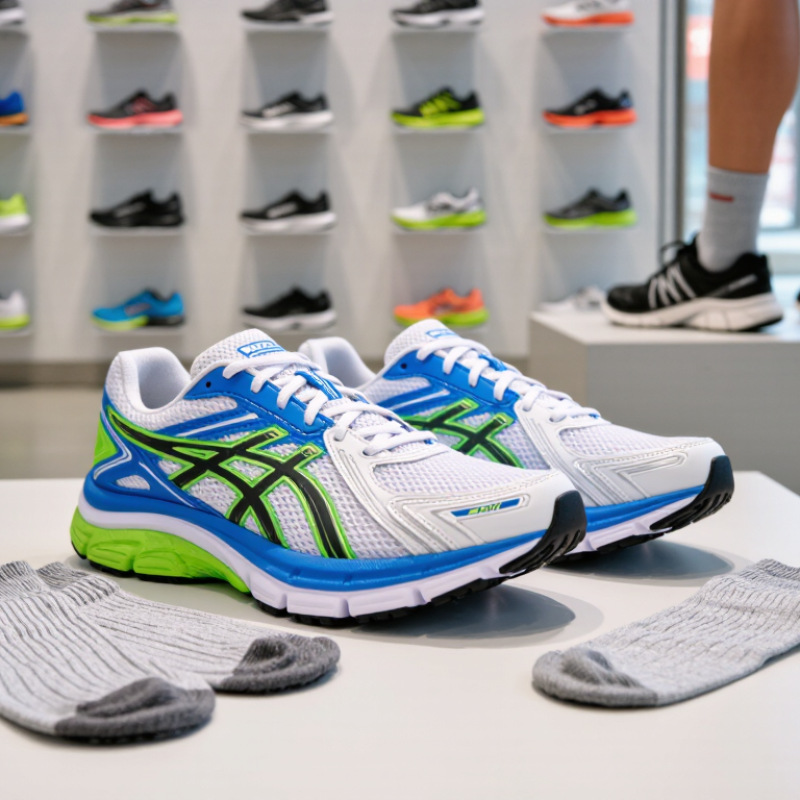
2026 Best Running Shoes and Socks for Comfort?

Understanding Comfort in Running Shoes and Socks

Comfort in running shoes and socks is a moving fit, not a feature listed on a box. In 2026, runners should judge comfort through real movement, surface, and distance. A comfortable shoe should hold the heel securely without squeezing it. The forefoot needs room for natural toe movement. The sole should feel protective, but not unusually soft. Excess cushioning can sometimes reduce stability. I have found that a shoe feeling perfect for ten minutes may feel different after an hour. That mistake is easy to make.

Tips: Try shoes late in the day, when feet are slightly larger. Wear the socks used during training. Walk, jog, and stop suddenly inside the store. Check for heel lift, rubbing, or cramped toes. Choose running socks that manage moisture and reduce seams near sensitive areas. Thin socks may suit warm weather, while thicker pairs can improve comfort in cold conditions. However, thicker fabric can make a close-fitting shoe too tight.

Comfort also depends on how the shoe and sock work together. A smooth sock can reduce friction, but it cannot repair a poor fit. Replace socks when elastic loosens or fabric stays damp. Rotate footwear when possible, allowing materials to dry fully. Personal testing remains important. Foot shape, pace, and running surfaces vary widely. My own preference has changed over time, and that is worth admitting. A reliable choice is not always the softest one.

Choosing the Right Running Shoe Type for Your Needs

Choosing the right running shoe type starts with your route, pace, and foot movement. Neutral shoes suit runners with a fairly even stride. Stability shoes may help runners whose ankles roll inward noticeably. More support is not automatically better.

A trained fitter can watch your gait and check your foot shape. Ask for enough space around your toes. Your longest toe should not touch the front. I once chose a shoe by appearance and ignored heel movement. My runs became uncomfortable within minutes. Comfort testing matters more than confident advertising.

Road shoes usually feel lighter and smoother on pavement. Trail shoes offer deeper grip and stronger protection on loose ground. Cushioned shoes can soften long runs, but excessive softness may feel unstable during quick turns. Try walking, jogging, and stopping in each pair. Do not judge after one step.

Socks also change the fit. Choose breathable fabric with a secure heel and minimal seam pressure. Thick socks can make a correct shoe feel too tight. Thin socks may increase movement and blisters. Test the complete setup on a short run. Feet swell during longer sessions, and my own preferred size sometimes changes by evening. Recheck the fit after several outings, especially if pain, numbness, or repeated blisters appear.

2026 Best Running Shoes and Socks for Comfort? Choosing the Right Running Shoe Type for Your Needs

A practical comparison of common running-shoe categories and sock features for comfort, fit, distance, and running surface.

Running Shoe Type Typical Cushioning Heel-to-Toe Drop Approximate Weight Best For Comfort Advantages Potential Limitations Recommended Sock Profile
Daily Trainer Moderate and balanced About 6–10 mm Approximately 240–320 g per shoe Easy runs, regular training, and mixed weekly mileage Versatile cushioning, stable transitions, and generally adaptable fit Usually less specialized for racing, technical trails, or very long runs Medium-cushion crew socks with moisture-wicking fibers and a secure arch fit
Max-Cushion Shoe High, soft-to-moderate firmness About 4–10 mm Approximately 270–350 g per shoe Long runs, recovery runs, and runners who prefer a softer ride Reduces the sensation of repetitive impact and provides a comfortable platform over distance Can feel less responsive, less agile, and sometimes less stable for quick changes of direction Thin-to-medium cushioned socks to preserve interior space and reduce heat buildup
Stability Shoe Moderate to high with structured guidance About 6–12 mm Approximately 270–340 g per shoe Runners who prefer extra guidance or a more structured underfoot feel Broad bases, supportive geometry, and secure lockdown can improve confidence during longer runs May feel intrusive or overly firm for runners who do not need additional guidance Seamless, medium-cushion socks that reduce pressure points without making the shoe too tight
Lightweight Tempo Shoe Moderate, often responsive About 4–8 mm Approximately 200–280 g per shoe Intervals, tempo sessions, progression runs, and shorter races Lower weight and firmer foam can make faster running feel more efficient Less forgiving for slow recovery runs and may provide less protection for high-mileage use Lightweight, close-fitting ankle socks with a smooth toe area and low-bulk construction
Race-Oriented Shoe Moderate to high with a highly responsive platform About 4–8 mm Approximately 190–280 g per shoe Road races and runners seeking a fast, efficient feel Low weight, responsive cushioning, and a stiff or highly energetic transition can support race pace Higher cost, less versatility, and a demanding fit; not always suitable for everyday training Ultralight technical socks with minimal seams and reliable moisture management
Trail Running Shoe Low to high, depending on terrain About 4–10 mm Approximately 260–360 g per shoe Dirt paths, rocky trails, mud, and uneven outdoor surfaces Protective uppers, secure foothold, and lugged outsoles improve traction and confidence off-road Outsoles may feel slower on pavement; aggressive lugs can be uncomfortable on smooth surfaces Durable crew socks with targeted cushioning, reinforced heels, and moisture control
Minimalist or Low-Stack Shoe Low, with limited underfoot protection About 0–4 mm Approximately 170–260 g per shoe Runners who prefer strong ground feedback and a flexible shoe Flexible construction and greater ground feel can encourage a natural-feeling stride Requires gradual adaptation and may be uncomfortable for runners accustomed to highly cushioned shoes Thin, flexible socks that maintain foot sensitivity and avoid excess volume
Walking or Run-Walk Shoe Moderate, prioritizing comfort About 6–12 mm Approximately 250–350 g per shoe Beginners, run-walk programs, daily walking, and standing for long periods Comfortable fit, dependable cushioning, and easy transitions suit varied low-to-moderate activity May lack the responsiveness needed for speed sessions or racing Medium-cushion socks with a padded heel and breathable upper for all-day comfort
All-Weather Road Shoe Moderate to high About 6–10 mm Approximately 260–340 g per shoe Cool, wet, or changeable road-running conditions Water-resistant materials and secure traction can help keep feet more comfortable in poor weather Water-resistant uppers may reduce breathability and increase warmth in dry conditions Merino-blend or synthetic technical socks that retain warmth while moving moisture away from the skin

Fit note: Weight, heel-to-toe drop, cushioning feel, and stack height vary by model and size. Try shoes with the socks you plan to run in, leave roughly a thumb's width in front of the longest toe, and replace socks when they lose elasticity or develop rough areas that may cause friction.

Matching Cushioning, Fit, and Support to Your Running Style

Comfort begins with matching equipment to movement, not chasing maximum softness. The 2024 SFIA Topline Participation Report recorded about 50.5 million U.S. running and jogging participants in 2023. That variety demands different choices. Easy-distance runners may prefer generous cushioning and a stable, relaxed platform. Faster runners often need a lighter shoe with responsive cushioning. Trail runners need grip, protection, and secure heel hold. Fit remains personal. Your toes should move freely, while the midfoot should feel held without pressure.

Support should reflect your stride, not a marketing category. A neutral runner may feel comfortable in a flexible design, while another runner may need firmer guidance during long, tired miles. The British Journal of Sports Medicine reported approximately 7.7 running injuries per 1,000 hours in a large review. Shoes cannot prevent every injury. Training load, recovery, and strength still matter.

I once chose a very soft shoe for every run. That choice was wrong. My calves felt overloaded after hills. Socks also matter. Moisture-managing fabric, flat seams, and a snug heel can reduce slipping and hot spots.

Tips: Test shoes late in the day, when feet are slightly larger. Wear your usual running socks. Walk, jog, and stop suddenly before buying. Leave roughly a thumb’s width ahead of your longest toe. For socks, avoid loose fabric around the arch. Replace them when elastic weakens or friction increases. Keep notes for two weeks. Comfort is useful evidence, but it is not perfect proof.

Selecting Breathable Socks for Dry, Comfortable Feet

For 2026 running comfort, breathable socks deserve as much attention as your shoes. In my training, damp feet became uncomfortable before my legs felt tired. Socks made with moisture-moving fibers can help spread sweat across the fabric. This allows it to dry faster during steady runs. A lightweight mesh zone over the toes may improve airflow. However, ventilation alone cannot fix a poor fit.

Choose socks that hold the heel and arch gently without leaving deep marks. A flat toe seam can reduce rubbing, especially on longer routes. Test them with your running shoes before race day. I once selected thin socks for a hot morning, but they shifted inside my shoes. The fabric felt cool, yet the movement caused a painful blister. That mistake changed how I judge comfort. Dryness matters, but stability matters too.

Tips: Match sock thickness with your shoe’s interior space. Avoid cotton for sweaty runs because it can stay wet against the skin. Check for bunching after ten minutes, not just at home. Wash socks carefully and replace pairs that lose their shape. Feet differ, and no single fabric suits everyone. Your pace, climate, and sweat level should guide the final choice.

Building a Comfortable Shoe-and-Sock Combination for 2026

Building a Comfortable Shoe-and-Sock Combination for 2026

Comfort begins between the foot and the road. The 2024 Physical Activity Council report counted about 50.7 million U.S. running and jogging participants. That scale makes fit more important than appearance. In my fittings, a thumb’s width in front of the longest toe prevents cramped descents. Heel movement should feel controlled, not locked painfully. A shoe must also bend near the toes, rather than folding under the arch. Small details matter.

Socks are part of the equipment. The 2024 State of the Running Industry report from Running USA identified comfort and fit as major purchase priorities. A smooth, close-fitting synthetic or wool-blend sock can reduce shifting and wet friction. Avoid thick fabric used to compensate for a narrow shoe. That usually creates pressure. Choose light cushioning under the heel and forefoot, then test the pair after thirty minutes of walking. Feet expand during activity, sometimes more than expected. This is where my advice becomes imperfect: a combination that feels excellent indoors may fail during a humid, longer run.

Track simple evidence. Note hot spots, numbness, dampness, and lace pressure after each session. Replace socks when elastic recovery fades. Replace shoes according to wear and comfort, not an arbitrary mileage number. The American College of Sports Medicine supports gradual training progression, and that principle applies here too. Change one variable at a time. Otherwise, you will not know what actually helped.

FAQS

How can I test running shoe comfort accurately?

Try shoes late in the day, when feet are slightly larger. Walk, jog, and stop suddenly. Check for heel lift, rubbing, cramped toes, and pressure.

How much space should I leave near my toes?

Leave about a thumb’s width before your longest toe. Your toes should move naturally during descents. Too much space can also cause sliding.

Are softer running shoes always more comfortable?

No. Excessive softness may reduce stability during quick turns. A protective sole is useful, but unusually soft cushioning can feel uncertain.

How should I choose between neutral and stability shoes?

Neutral shoes suit fairly even strides. Stability shoes may help when ankles roll inward noticeably. More support is not automatically better.

Can socks change the fit of running shoes?

Yes. Thick socks can make a close-fitting shoe painfully tight. Thin socks may increase movement and blisters. Test the complete shoe-and-sock combination.

What should I look for in comfortable running socks?

Choose breathable fabric, a secure heel, and minimal seam pressure. Light cushioning under the heel and forefoot can reduce friction. Smooth fabric helps.

How can I know whether discomfort comes from the shoe or sock?

Track hot spots, numbness, dampness, and lace pressure after each run. Change one variable at a time. Otherwise, the evidence becomes unclear.

When should I replace running socks and shoes?

Replace socks when elastic loosens or fabric stays damp. Replace shoes according to wear and comfort, not only mileage. My own judgment has sometimes been late.

Should I use different shoes for roads and trails?

Road shoes usually feel lighter on pavement. Trail shoes offer deeper grip and stronger protection on loose ground. Surface matters more than appearance.

Can an indoor fitting guarantee comfort during a long run?

No. Feet swell during activity, and humidity can change friction. A shoe may feel perfect indoors but fail after an hour. Test it gradually.

Conclusion

Finding comfortable running shoes and socks in 2026 starts with understanding how they work together. The best choice depends on your running style, foot shape, distance, terrain, and personal comfort preferences. Daily trainers may suit general road running, while lightweight or supportive designs can better match speedwork, long distances, or stability needs. Cushioning should feel protective without making the shoe unstable, and the fit should provide secure heel hold, enough toe room, and minimal pressure points.

How to match running shoes and socks for comfort? Begin by choosing shoes that complement your natural stride and provide the right balance of cushioning, support, and flexibility. Then select breathable, moisture-managing socks that fit smoothly without bunching or slipping. Consider thickness carefully: thicker socks may improve softness and reduce friction, while thinner socks can offer a closer fit in warmer conditions. Testing the complete shoe-and-sock combination during short runs can help identify hot spots, excessive movement, or discomfort before longer training sessions.

Mason

Mason

Mason is a seasoned marketing professional with a deep expertise in the company's offerings and a passion for driving brand awareness. With a strong background in digital marketing strategies, he has an innate ability to connect with diverse audiences and effectively communicate product benefits.......